Payday banned
Borrowing in Colorado: What State Law Allows
Colorado still licenses payday lenders, but at 36% APR and with six months to repay, they look more like small installment loans. Here are the rate limits, a court fight that could extend them, and your protections if you fall behind.
By Lendmira Editorial Team Updated 7 min read
- Payday loan rate cap
- 36% APR
- Payday minimum term
- 6 months
- Time limit to sue on debt
- 6 years
- Garnishment cap
- 20% of disposable pay
The short version
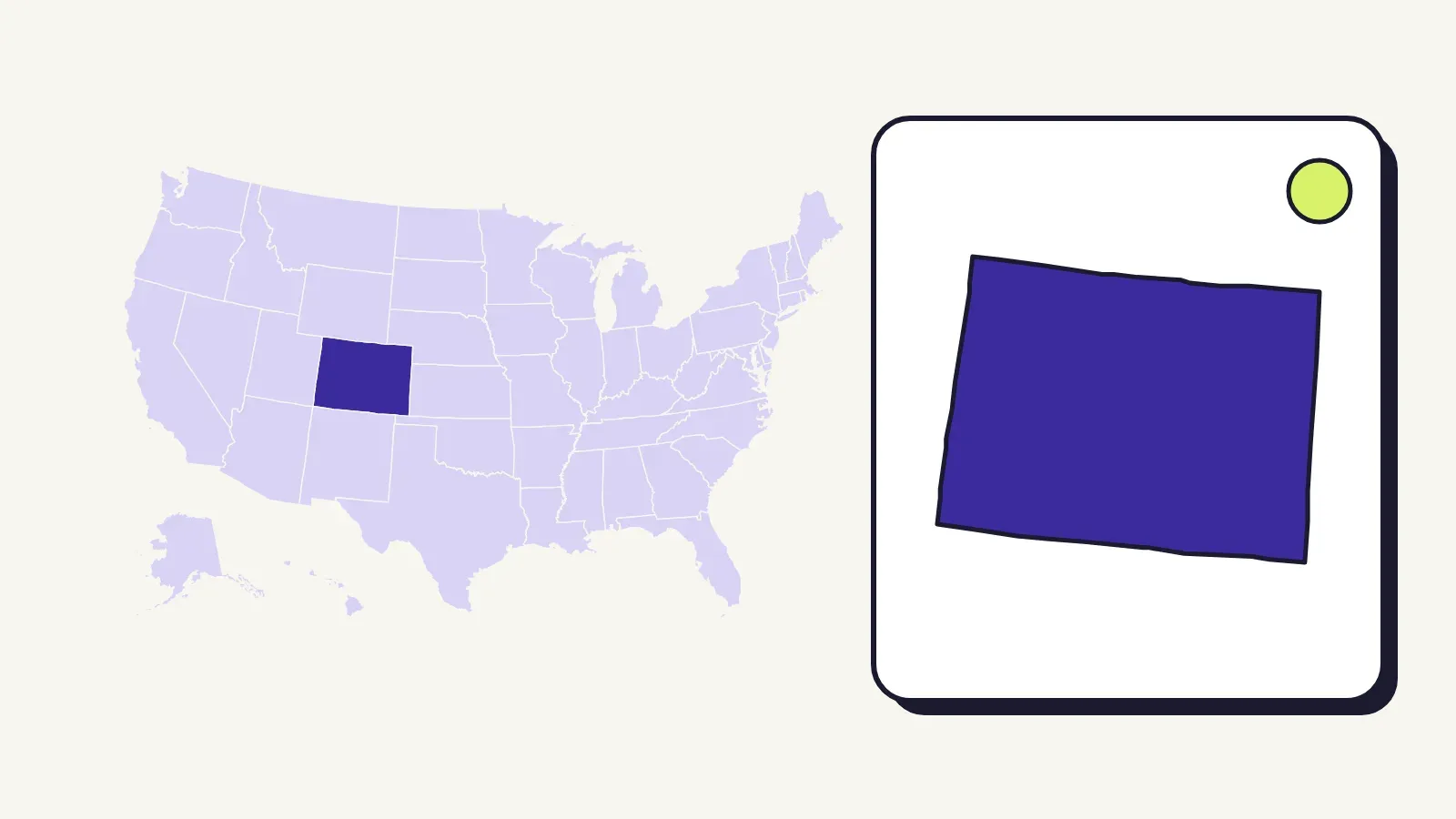
Colorado caps payday loans, which it calls deferred deposit loans, at 36% APR, with a minimum term of six months. Other licensed consumer loans face tiered caps that start at 36% on the first $1,000. Whether those caps reach loans from out-of-state banks is before the full federal appeals court. Creditors generally have six years to sue, and garnishment is limited to 20% of disposable pay.
Colorado lending rules at a glance
Payday loans at 36% APR
Colorado law still allows deferred deposit loans, where a lender holds your check or debit authorization. But the finance charge can't exceed an annual percentage rate of 36%, and lenders may only charge what the payday article expressly allows. The Attorney General's Consumer Credit Unit, which administers the Uniform Consumer Credit Code, licenses these lenders.
36% APR cap
The whole finance charge must fit within 36% a year, not a flat fee per $100 as in many states.
Six-month minimum
The loan term must be at least six months from the day you borrow. There is no maximum term.
Refund if you prepay
Pay early and the lender must refund a prorated share of the finance charge.
For comparison, a 36% loan costs a fraction of the 400%-plus APRs payday loans carry in states without a cap. It is still expensive credit. Check the cheaper options in our guide to payday loan alternatives first.
Rate caps on other consumer loans
Finance companies licensed as supervised lenders follow section 5-2-201 of the Uniform Consumer Credit Code. The finance charge may be the greater of a tiered rate or a flat 21%.
| Part of the unpaid balance | Maximum yearly rate |
|---|---|
| Up to $1,000 | 36% |
| $1,000 to $3,000 | 21% |
| Over $3,000 | 15% |
Lenders may also charge a minimum finance charge of up to $25 on these loans. Colorado has no law that authorizes high-rate car title loans, so a small loan secured by your car falls under the same caps. To see how a rate changes your monthly payment, use the loan payment calculator.
The court fight over out-of-state bank loans
Federal law usually lets a state-chartered bank charge its home state's rates nationwide. Colorado used a provision in that law to opt out, aiming to hold out-of-state banks, and the online lenders that partner with them, to Colorado's caps when they lend to Colorado residents.
Industry groups sued. In November 2025 a three-judge panel of the Tenth Circuit ruled for Colorado, holding that the opt-out covers loans where either the lender or the borrower is in the opt-out state. On April 2, 2026, the full court agreed to rehear the case, vacated that ruling and asked for new briefs. As of October 2026 the question is unresolved.
Six years to sue, and protection for your pay
Colorado gives creditors six years to sue to recover a liquidated debt or a determinable amount of money owed. A loan or credit card balance is a fixed sum owed, which is why this six-year period is the one usually applied to them. If a collector or court points to a different period, get legal advice. See how statutes of limitations work before you pay on an old debt.
For ordinary debts, garnishment is capped at the lesser of 20% of your weekly disposable earnings or the amount above 40 times the minimum hourly wage. The law uses whichever of the federal and state minimums protects more, and Colorado's is the higher one. If that still leaves too little to cover necessary living expenses, you can object in writing and ask for a hearing, and the court can protect a larger share.
Collectors must also follow federal rules. See debt collectors and your rights.
Checking a lender and filing a complaint
- Confirm the license through the Attorney General's Consumer Credit Unit or NMLS Consumer Access.
- Compare the APR with the 36% payday cap and the supervised loan tiers above.
- File a complaint with the Attorney General if a lender overcharges or misleads you. You can also file with the CFPB.
Common questions
Are payday loans legal in Colorado?
Yes, but they're capped at 36% APR and must run at least six months, so traditional two-week payday loans with flat fees aren't allowed.
Are title loans legal in Colorado?
Colorado has no law authorizing high-rate title loans. Consumer loans from licensed lenders follow the Uniform Consumer Credit Code caps.
What is the statute of limitations on debt in Colorado?
Generally six years for a liquidated debt, which covers most loans and credit card balances.
How much of my paycheck can be garnished in Colorado?
For ordinary debts, no more than 20% of your weekly disposable earnings, or less if you earn close to the minimum wage. You can ask the court to protect more if you can't cover basic living costs.
Sources
- Colorado Attorney General — Consumer Credit Unit
- C.R.S. 5-3.1-105 — Deferred deposit loan finance charges (Justia)
- C.R.S. 5-3.1-103 — Deferred deposit loan terms (Justia)
- C.R.S. 5-2-201 — Supervised loan finance charges (Justia)
- NAIB v. Weiser, No. 24-1293 — Tenth Circuit order granting rehearing en banc, April 2, 2026 (Justia)
- C.R.S. 13-80-103.5 — Six-year limit on debts (Justia)
- C.R.S. 13-54-104 — Garnishment limits (Justia)
Facts on this page were checked against these sources on October 13, 2026. The Tenth Circuit's rehearing of the out-of-state bank case was pending on that date; a decision could change which online loans follow Colorado's caps.
Keep reading
-
Loan type
Payday loan alternatives
Credit union PALs up to $2,000 at 28% APR or less, paycheck advances, payment plans and local help.
-

Debt help
Debt collectors and your rights
Validation notices, the 30-day dispute window, the 7-calls-in-7-days rule and how to complain.
-
State law
New Mexico
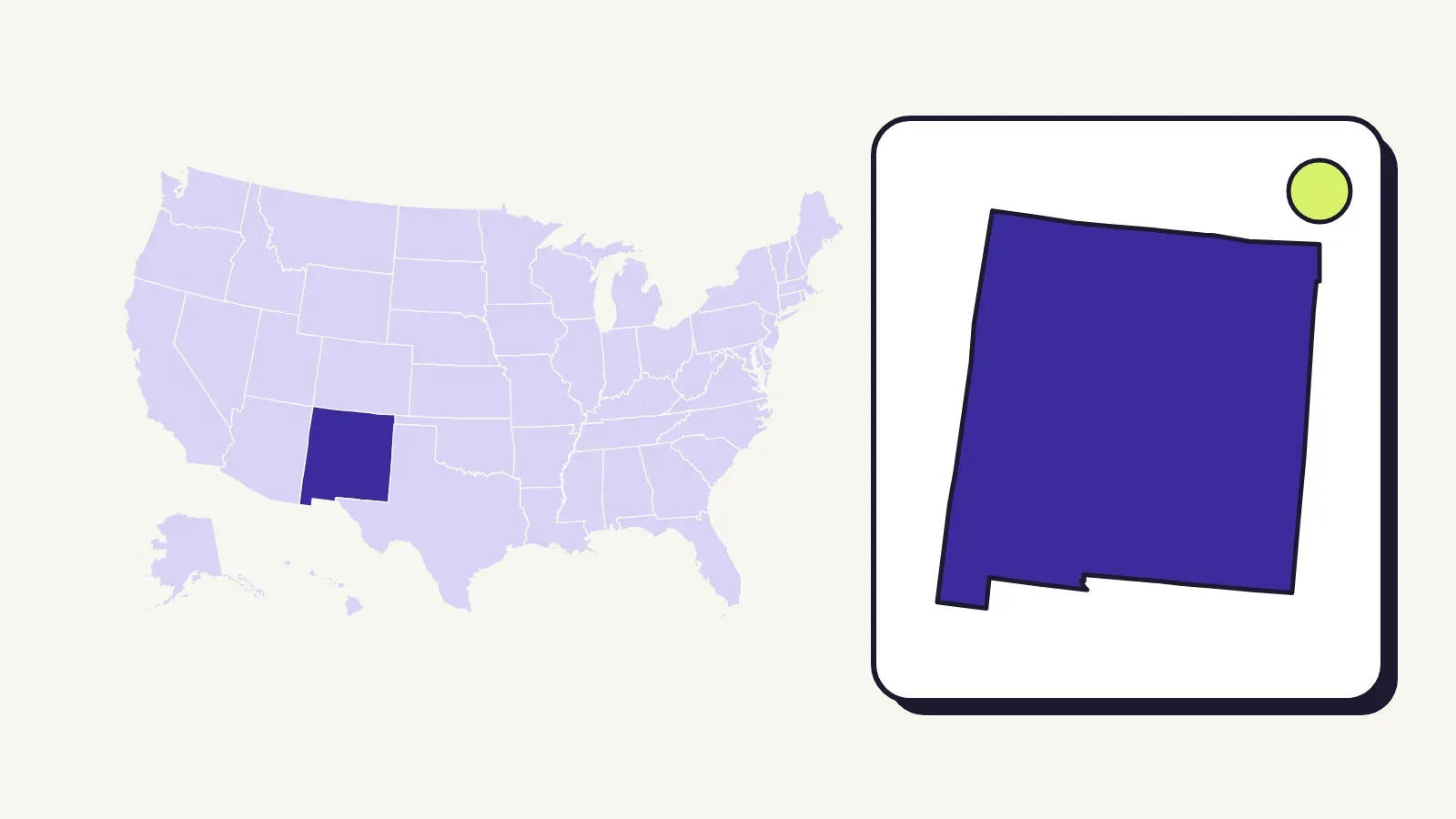
36% APR cap on loans up to $10,000 since 2023 ended payday and title loans; 6-year limit on written contracts.