Payday allowed
Borrowing in Delaware: What State Law Allows
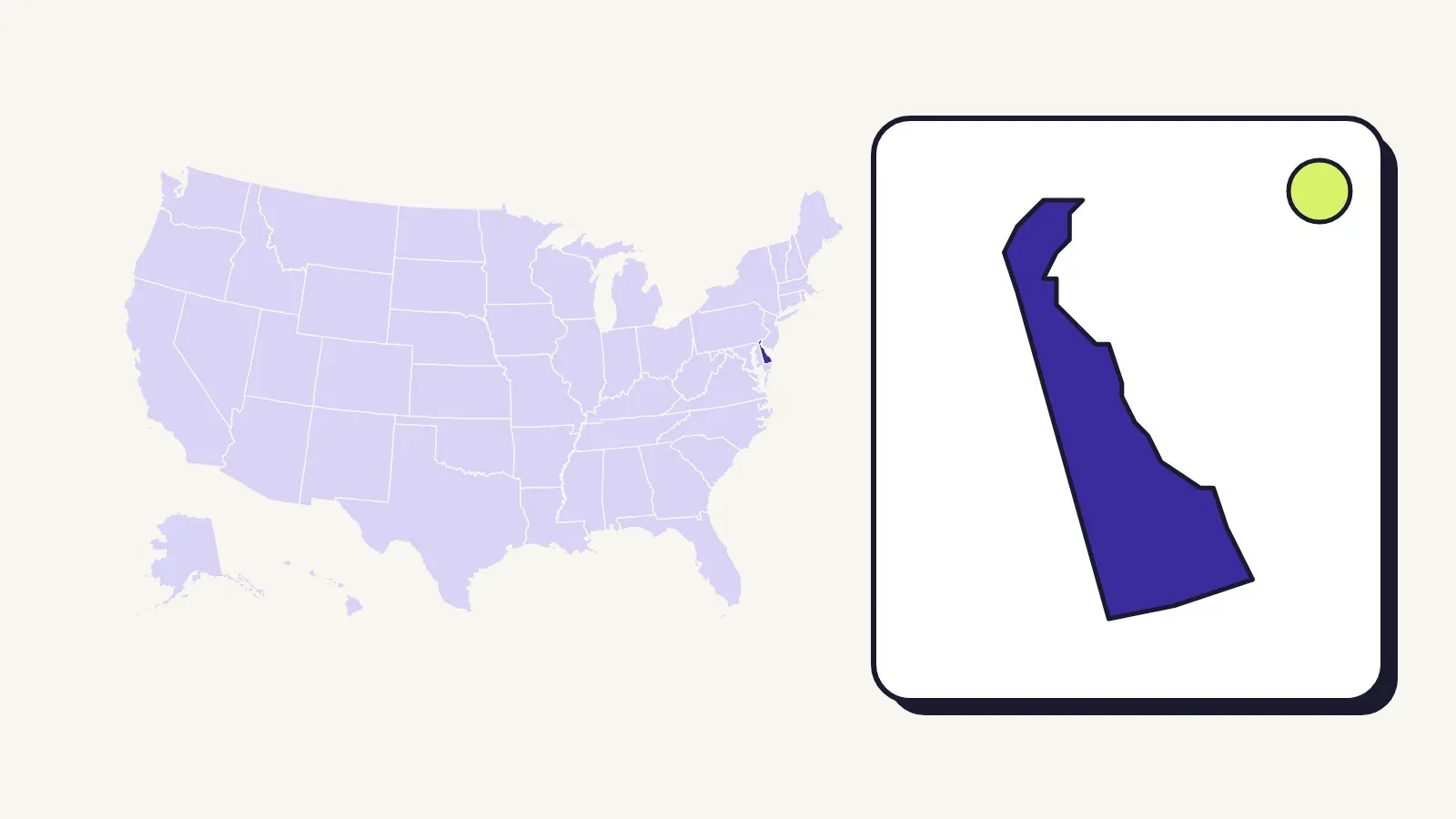
Delaware doesn't cap the interest on payday or title loans. It limits how many you can take and how long they run instead. Here is what that means for you, and what happens if a debt goes unpaid.
By Lendmira Editorial Team Updated 6 min read
- Payday loans
- Allowed, up to $1,000
- Payday loans per year
- 5 in 12 months
- Time limit to sue on debt
- 3 years
- Wages protected
- 85%
The short version
Delaware allows short-term consumer loans of up to $1,000 and car title loans, and it sets no cap on the interest licensed lenders may charge. Instead, the law limits you to five short-term loans in 12 months, rollovers included, and gives you until the end of the next business day to cancel. A creditor generally has three years to sue on a debt, and 85% of your wages are protected from garnishment.
Delaware lending rules at a glance
Payday loans: no rate cap, but a limit on how many
Delaware calls payday loans short-term consumer loans: $1,000 or less, with a repayment period of under 60 days, made by a lender licensed by the Office of the State Bank Commissioner. The price is whatever the contract says. Section 2229 of Title 5 lets a licensed lender charge the periodic rate set in the loan agreement, with no ceiling. That makes the APR on your disclosure the number to read first.
What the law does limit:
- Five loans in 12 months. No lender may give you a loan that would mean more than five short-term loans from all licensed lenders in any 12-month period. Rollovers and refinancings count.
- Four rollovers. A lender can't roll an existing loan over more than four times.
- A free way out. You can cancel by returning the full amount by the close of the next business day, with no fee.
- A shared database. Lenders check a statewide real-time database to see whether you are still eligible.
The law also describes a workout agreement: a repayment plan in equal installments over at least 90 days. If you can't repay on the due date, ask for one in writing before you agree to another rollover, and compare the alternatives to payday loans.
Title loans: 180 days, then a workout
A Delaware title loan is secured by your car's title, isn't used to buy that car, and must have an original repayment period of 180 days or less. Rollovers can't stretch it past 180 days from the day you got the money. As with payday loans, the statute sets no cap on the starting rate. A lower introductory rate can't rise on a rollover, and once the loan and any workout end, interest drops to the state's legal rate. Interest stops when the lender takes the car.
- Before repossessing or suing, the lender must offer a workout agreement. Each payment must cut the unpaid balance by at least 10% a month, and you get at least 10 business days to accept.
- If the car is sold, the sale settles the debt: you owe no deficiency, any surplus goes to you, and the lender must explain the sale in writing within 30 days.
- You can cancel for any reason until the end of the next business day by returning the money.
Other licensed loans follow the contract rate
The same rule applies to installment loans from Delaware-licensed lenders: the rate is what you agree to. There is no tiered ceiling like many states have, so two offers for the same amount can differ by hundreds of dollars. Compare the APR and total cost of each offer, and use the APR calculator when a lender quotes fees separately.
For comparison, federal credit unions are held to an 18% APR ceiling on most loans through September 10, 2027, and a personal loan from a bank or credit union is often far cheaper than a short-term loan if your credit allows it.
If you fall behind: three years, in most cases
| Type of debt | Time limit | Statute |
|---|---|---|
| Contracts, including most loan and credit card agreements | 3 years | § 8106 |
| Promissory notes and signed acknowledgments of a debt | 6 years | § 8109 |
| Mutual running accounts | Clock doesn't start while the account stays open and current | § 8108 |
Credit card debt usually falls under the three-year rule for actions based on a promise. A creditor suing on a signed promissory note may have six years. If you get a letter about an old debt, read how statutes of limitations work before you pay or sign anything.
Delaware exempts 85% of your wages from attachment, so a judgment creditor can take at most 15%. Only one wage attachment can run at a time, and fines, court costs and state taxes are excepted. The federal limit also applies, so lower earners may keep more. For your rights when collectors call, see debt collectors and your rights.
Checking a lender and filing a complaint
- Confirm the license. The Office of the State Bank Commissioner publishes a list of licensed lenders that it updates weekly; NMLS Consumer Access is another check.
- Get the cost in writing: amount financed, finance charge in dollars, APR and every due date.
- Use the cancel window if you change your mind: return the money by the end of the next business day.
- Complain to the State Bank Commissioner if a lender misleads you or ignores these rules. You can also file with the CFPB.
Common questions
Are payday loans legal in Delaware?
Yes. Licensed lenders can make short-term loans of up to $1,000, but you can't have more than five in any 12-month period, rollovers included.
Is there an interest rate cap on payday loans in Delaware?
No. Delaware lets licensed lenders charge the rate in the loan agreement. The limits are on loan size, number of loans and rollovers instead.
How long can a creditor sue me for a debt in Delaware?
Generally three years for contracts, including most credit card debt. Promissory notes can have six years.
How much of my paycheck can be garnished in Delaware?
At most 15%, because 85% of wages are exempt. The federal limit can protect more if you earn less.
Sources
- Delaware Code, Title 5, Chapter 22, Subchapter III — Closed end credit and short-term consumer loans
- Delaware Code, Title 5, Chapter 22, Subchapter V — Title loans
- Delaware Code, Title 10, Chapter 81 — Limitations of actions
- Delaware Code, Title 10, Chapter 49, Subchapter I — Exemptions, including wages (§ 4913)
- Delaware Office of the State Bank Commissioner — Licensed non-depository institutions
Facts on this page were checked against these sources on October 13, 2026. Delaware sets limits on the number and length of short-term and title loans rather than on their price, so always compare the APR on the disclosure.
Keep reading
-
Loan type
Payday loan alternatives
Credit union PALs up to $2,000 at 28% APR or less, paycheck advances, payment plans and local help.
-

Debt help
Old debt and time limits
Most states give collectors 3–6 years to sue. What can restart the clock, and why it's not the 7-year credit rule.
-
State law
Maryland
33% cap on small loans rules out payday and title loans; 3-year limit on debt suits that payments can't revive.