Payday banned
Borrowing in Montana: What State Law Allows
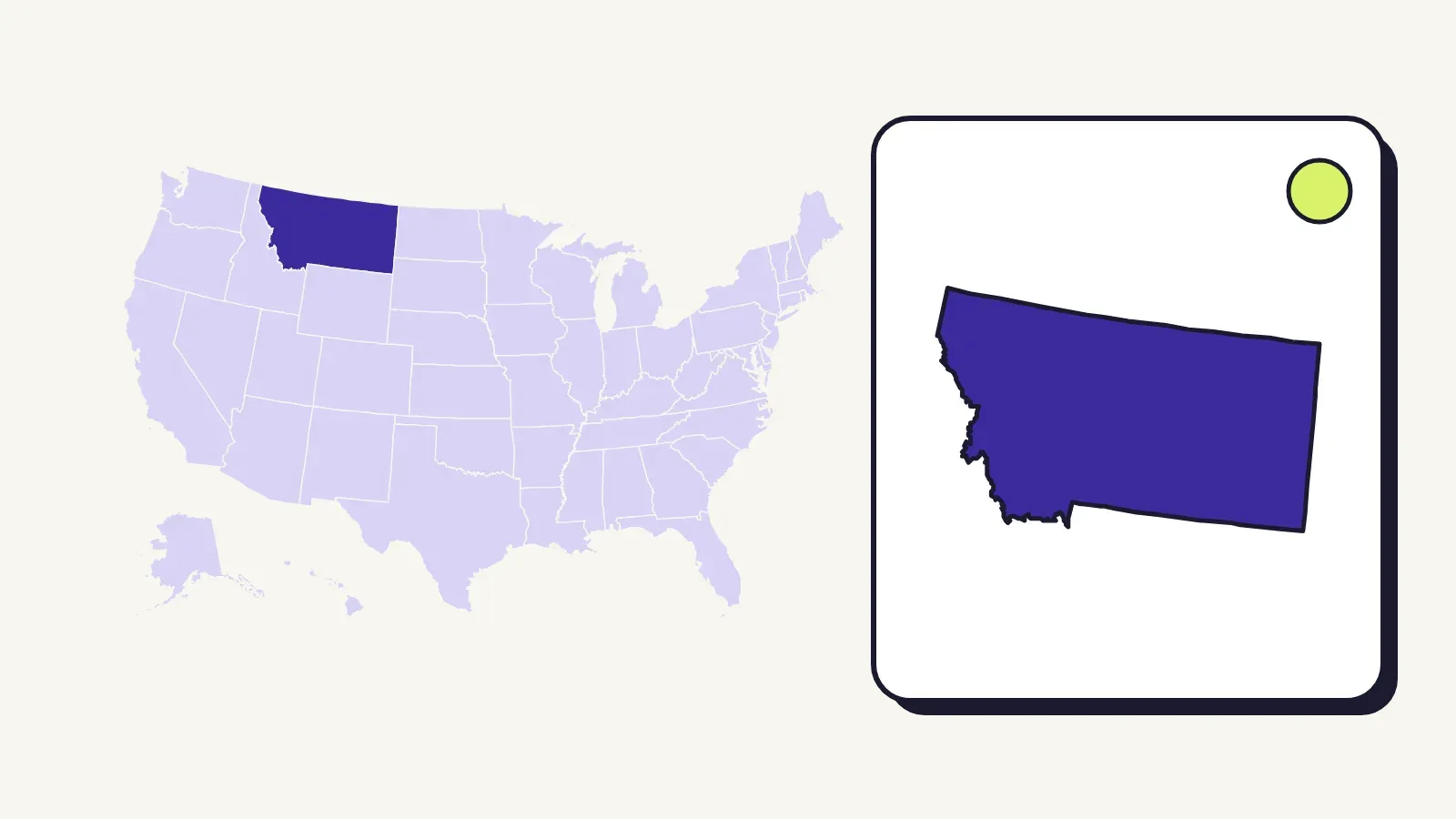
Montana keeps the price of small loans from licensed lenders at 36% a year or less. That shuts out the triple-digit payday and title loans common elsewhere, but not the online lenders that ignore the law.
By Lendmira Editorial Team Updated 6 min read
- Payday loan rate cap
- 36% a year
- Title Loan Act
- Repealed in 2013
- Time limit, written contract
- 6 years
- Wage garnishment
- Federal limit (25%)
The short version
Montana allows deferred deposit (payday) loans only at a fee of 36% a year or less, and licensed consumer lenders face the same 36% interest limit. The state repealed its separate Title Loan Act in 2013. Creditors have six years to sue on a written contract and five on an account not founded on a written instrument, and wage garnishment follows the federal 25% limit.
Montana lending rules at a glance
Payday loans at 36% a year
Montana still licenses deferred deposit lenders, but the economics of a classic payday loan don't work here. Under MCA 31-1-722, a licensee may not charge a fee for making or carrying a deferred deposit loan that exceeds 36% per annum, and it can't charge anything the law doesn't specifically allow.
For scale: on a $300 loan for two weeks, 36% a year comes to about $4.14. In Michigan, by comparison, a $300 payday loan can legally carry a $42 fee. That gap is why the storefront payday model has little room to operate in Montana, even though the license still exists.
- One loan at a time. A licensee can't make you a new deferred deposit loan while one is outstanding.
- No rollovers. The lender can't renew, refinance or consolidate a loan with a new deferred deposit loan, or use any device to charge more than the law allows.
- Free extensions. A lender may give you more time past the due date, but can't charge for it.
- Limited bounce fees. One insufficient-funds fee of up to $30 per returned check or failed electronic payment, and that's the only late charge allowed.
- Size matters. A loan of more than 25% of your monthly net income is a factor in deciding whether it's unconscionable.
What happened to title loans
Montana's Title Loan Act, Part 8 of Chapter 1, Title 31, was repealed in 2013. There's no longer a separate license that allows high-cost loans secured by a car title. A licensed consumer lender is held to the Consumer Loan Act's 36% interest limit whatever collateral it takes.
The 36% limit on consumer installment loans
The Montana Consumer Loan Act (MCA 32-5-301) caps interest at 36% a year, not counting a handful of fees the law spells out:
| Fee | Limit |
|---|---|
| Deferral fee | Greater of $15 or 5% of the amount due, up to $50 |
| Late fee | Greater of $15 or 5% of the past-due amount, up to $50, once per payment |
| Other fees | Not allowed unless the law authorizes them |
A licensee that charges more must forfeit double the excess to you. Banks and other regulated lenders are generally exempt from Montana's rate limits, so a bank or online lender partnering with one may price above 36%. Compare offers using the APR calculator, and look at payday loan alternatives if you need a small amount quickly.
Debt collection deadlines and garnishment
Montana's current code (MCA 27-2-202, as amended in 2025) gives creditors six years to sue on a contract founded on an instrument in writing and five years on a contract, account or promise that isn't. Credit card debt is often treated as an account, which points to five years; if the card issuer relies on a signed written agreement, a court could apply six.
After a judgment, a creditor can garnish the lesser of 25% of your weekly disposable earnings or the amount above 30 times the federal minimum wage (MCA 25-13-614). Support orders follow higher limits. For your rights when a collector calls, see debt collectors and your rights.
Checking a lender and filing a complaint
- Confirm the license with the Montana Division of Banking and Financial Institutions or on NMLS Consumer Access.
- Check the math. If a small loan's APR is above 36% and the lender isn't a bank, ask which law allows it.
- Complain to the Division, or to the Montana Office of Consumer Protection and the CFPB if a lender or collector misleads you.
Common questions
Are payday loans legal in Montana?
Licensed deferred deposit loans are legal, but the fee is capped at 36% a year, which is why traditional payday stores don't operate the way they do in other states.
Can I get a car title loan in Montana?
Not a traditional high-cost one. Montana repealed its Title Loan Act in 2013, and licensed consumer lenders are limited to 36% interest a year.
How long can a creditor sue me for a debt in Montana?
Six years on a written contract and five years on an account or contract not founded on a written instrument. Credit card debt usually falls in one of those two, depending on the paperwork.
How much of my paycheck can be garnished in Montana?
The lesser of 25% of your weekly disposable earnings or the amount above 30 times the federal minimum wage, after the creditor wins a judgment.
Sources
- Montana Division of Banking and Financial Institutions
- MCA 31-1-722 — Deferred deposit fee limit
- MCA 31-1-723 — Deferred deposit prohibitions
- MCA 31-1-817 — Title Loan Act (repealed)
- MCA 32-5-301 — Consumer loan interest and fees
- MCA 27-2-202 — Statute of limitations on contracts
- MCA 25-13-614 — Earnings exempt from garnishment
Facts on this page were checked against these sources on October 13, 2026. The contract time limits come from the 2025 Montana Code Annotated, which reflects amendments made in 2023 and 2025.
Keep reading
-
Loan type
Payday loan alternatives
Credit union PALs up to $2,000 at 28% APR or less, paycheck advances, payment plans and local help.
-

Debt help
Old debt and time limits
Most states give collectors 3–6 years to sue. What can restart the clock, and why it's not the 7-year credit rule.
-
State law
Idaho
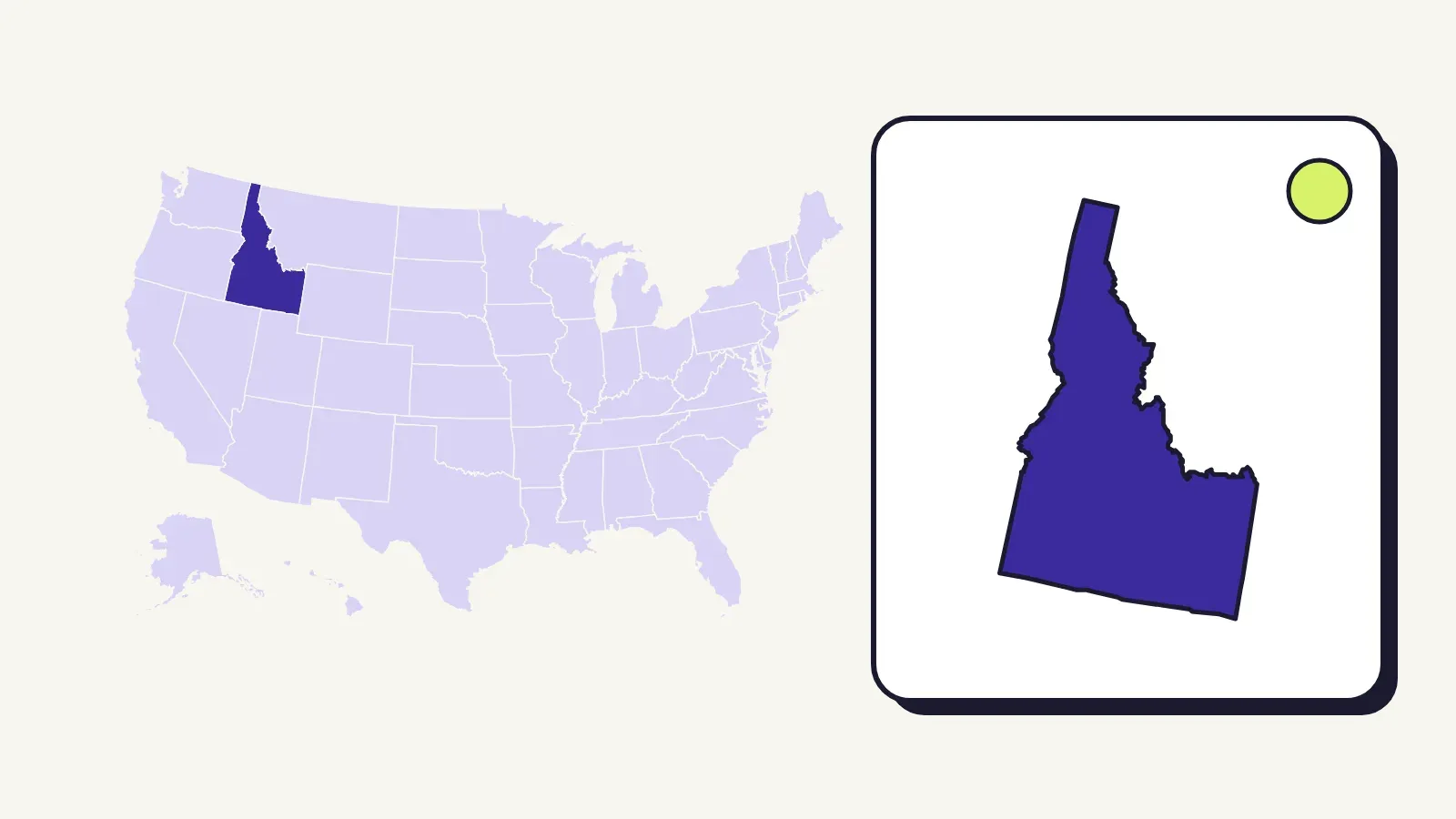
Payday loans up to $1,000 with no fee cap and a yearly no-fee payment plan; 5-year limit on written debts.