Payday banned
Borrowing in New York: What State Law Allows
New York's usury laws keep payday and title lenders out, and the state gives collectors only three years to sue on consumer debt. Here is how both rules work and what they mean for you.
By Lendmira Editorial Team Updated 6 min read
- Payday and title loans
- Illegal
- Criminal usury cap
- 25% a year
- Time limit, consumer credit
- 3 years
- Wage garnishment limit
- 10% of gross pay
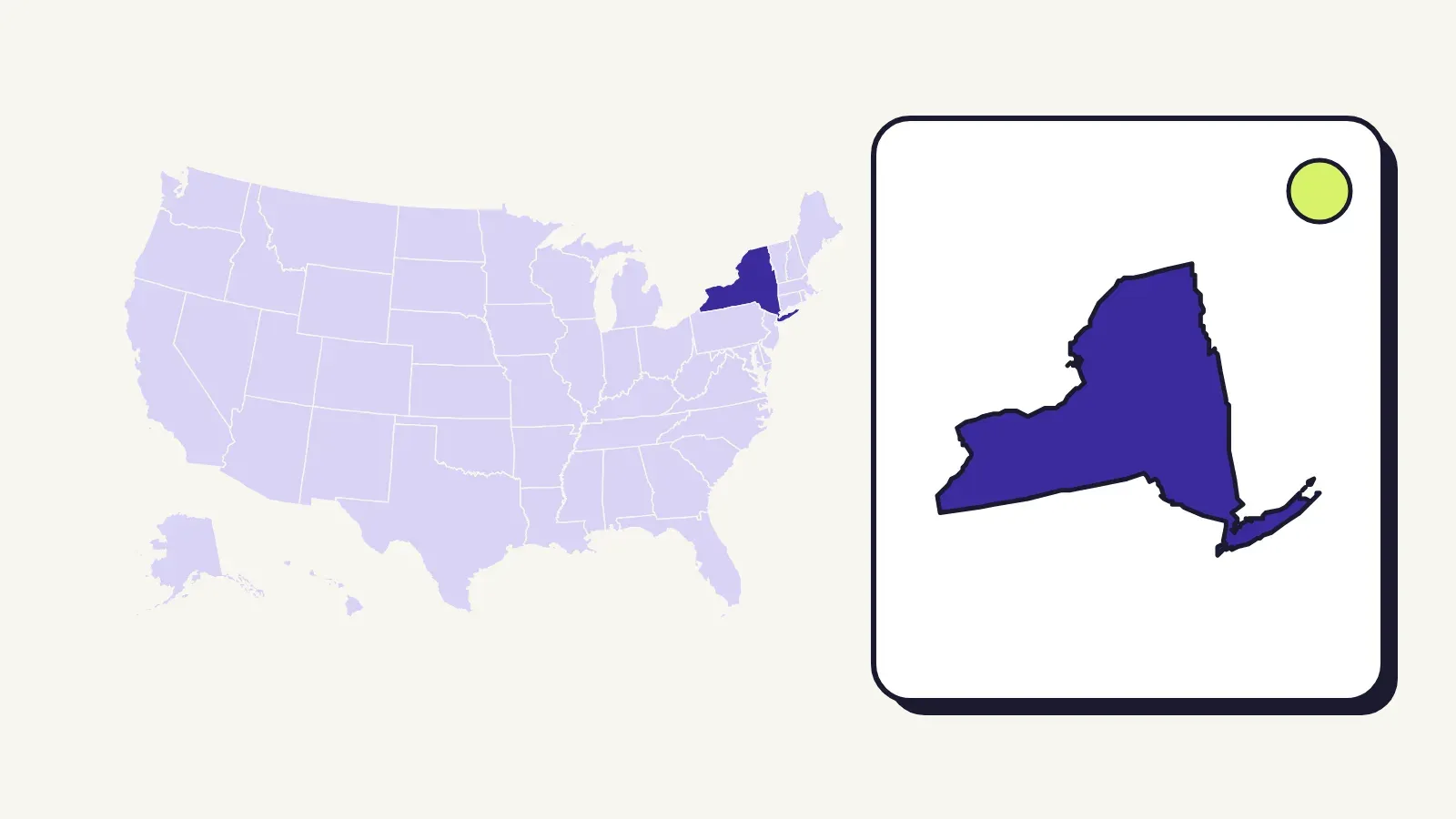
The short version
Payday loans are illegal in New York, in stores, by phone and online. Civil usury law caps most loans at 16%, and charging more than 25% a year is a crime, which also rules out car title loans. Licensed lenders may go above 16% on loans of $25,000 or less. A creditor or debt buyer has three years to sue you on consumer credit debt, and wage garnishment is limited to 10% of gross pay.
New York lending rules at a glance
Two usury ceilings: 16% and 25%
New York sets two interest limits. The civil usury rate is 16% a year on loans under $250,000. Above that, Penal Law 190.40 makes it criminal usury to charge more than 25% a year, or the equivalent rate for a shorter or longer period. That last phrase matters: a fee on a two-week loan is converted to a yearly rate, so a small-looking charge can still cross the line.
Consumer finance companies get room between the two. Under Banking Law section 340, a company that charges more than an unlicensed lender could on personal loans of $25,000 or less (or business loans of $50,000 or less) needs a license from the Department of Financial Services. That rule also reaches lenders that solicit New York residents and lend to them, including online.
Payday and title loans are off the table
The Department of Financial Services states plainly that payday loans are illegal in New York, whether you get one in person, by phone or online, and that debt collectors can't collect on them. A typical payday loan carries an APR of around 400% or more, far above the 25% criminal limit. A car title loan at a similar price breaks the same law.
- If an online lender is pulling payments from your account, you can tell your bank to stop the recurring debits.
- Report the lender to DFS at (800) 342-3736 or through its online complaint form.
- For a short-term gap, look at payday loan alternatives such as credit union loans and payment plans.
The three-year rule for consumer debt
A section of the civil practice law, CPLR 214-i, gives a creditor three years to sue you on a debt from a consumer credit transaction, such as a credit card, personal loan or store account. The general limit for other written contracts is still six years.
The law also closes a common trap. Once the three years run out, a payment, a written or spoken promise to pay, or any other activity on the debt does not restart the clock. A collector can still ask you to pay a time-barred debt but can't revive the right to sue.
DFS rules add a state-level right on top of federal law: for most charged-off debts you can ask the collector to substantiate the debt, and it must stop collecting until it responds. See debt collectors and your rights for the federal protections and old debt and statutes of limitations for how the clock works.
How much of your pay a creditor can take
After a judgment, a creditor collects from wages through an income execution under CPLR 5231. The limits work together:
| Maximum per pay period | 10% of gross income |
|---|---|
| Also capped at | 25% of disposable earnings |
| Fully protected | Weeks when disposable pay is at or below 30 times the state or federal minimum wage, whichever is higher |
| Medical debt | No income execution on judgments won by hospitals or licensed health providers |
Because the low-income floor uses the state minimum wage, which is higher than the federal one, more of a New York paycheck is shielded than federal law alone would require. If a garnishment would leave you unable to cover rent and food, talk to the creditor about a payment plan; our guide to hardship options covers what to ask for.
Checking a lender and filing a complaint
- Check the license with DFS or NMLS Consumer Access before you apply.
- Read the APR on the disclosure. Above 25% from a lender making loans in New York is a red flag.
- File a complaint with the Department of Financial Services, and with the CFPB if you like, when a lender or collector breaks the rules.
Common questions
Are payday loans legal in New York?
No. They violate New York's civil and criminal usury laws, including when made online, and collectors can't collect on them.
What is the maximum interest rate on a loan in New York?
The civil usury limit is 16% a year. Licensed lenders may charge more on loans of $25,000 or less, but anything over 25% a year is criminal usury.
How long can a debt collector sue me in New York?
Three years on consumer credit debt such as credit cards and personal loans. A payment after the deadline doesn't revive the debt.
How much can be garnished from my paycheck in New York?
No more than 10% of gross income, capped at 25% of disposable earnings, and nothing in weeks when your disposable pay is at or below 30 times the minimum wage.
Sources
- New York Department of Financial Services — Credit and debt (payday loans, debt collection)
- DFS — Cease-and-desist letters to illegal online payday lenders (usury limits)
- Banking Law § 340 — Licensed lender requirement
- Penal Law § 190.40 — Criminal usury
- CPLR 214-i — Three-year limit on consumer credit actions
- CPLR 5231 — Income execution
Facts on this page were checked against these sources on October 13, 2026. The three-year limit applies to consumer credit transactions; other written contracts keep a six-year limit.
Keep reading
-
Loan type
Payday loan alternatives
Credit union PALs up to $2,000 at 28% APR or less, paycheck advances, payment plans and local help.
-

Debt help
Old debt and time limits
Most states give collectors 3–6 years to sue. What can restart the clock, and why it's not the 7-year credit rule.
-
State law
New Jersey
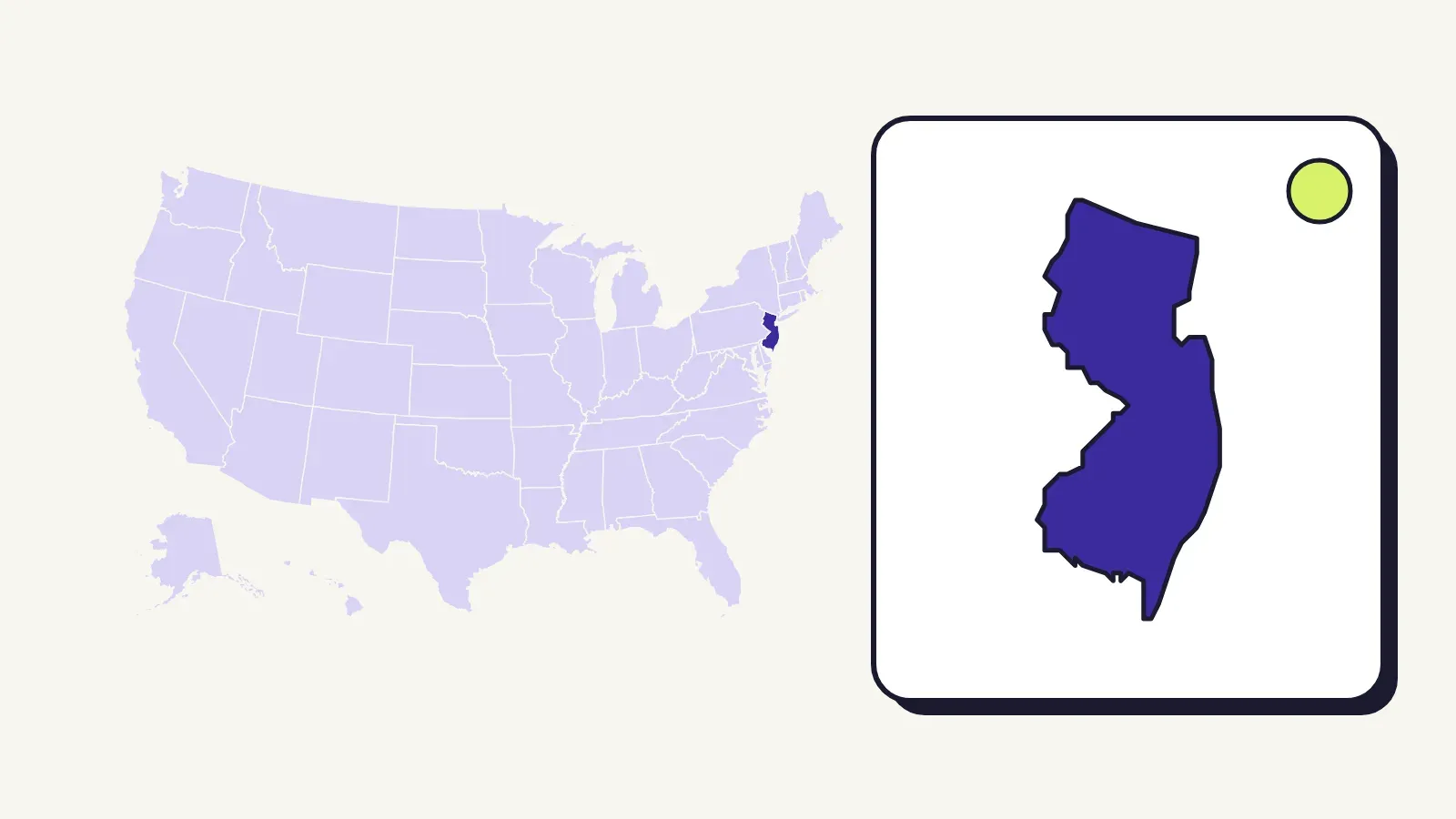
30% criminal usury cap keeps out payday and title loans; 6-year limit on debt suits; garnishment usually 10%.