Payday allowed
Borrowing in Ohio: What State Law Allows
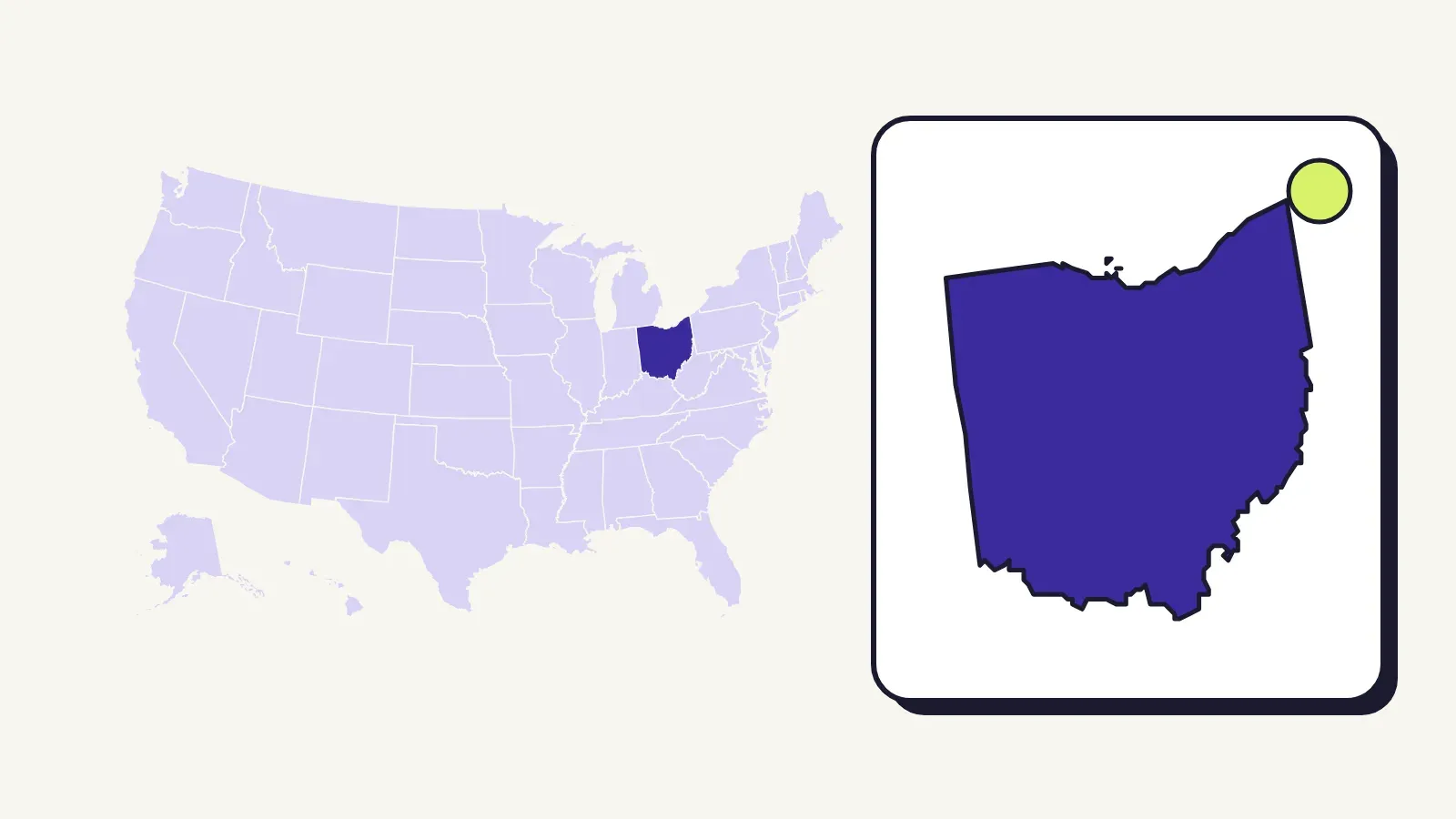
Ohio rewrote its payday rules so that short-term loans are smaller, longer and capped in cost. Here is what a licensed lender may charge, why title loans are out, and what happens if you fall behind.
By Lendmira Editorial Team Updated 7 min read
- Short-term loan maximum
- $1,000
- Interest cap
- 28% + up to $30/month
- Title loans
- Not permitted
- Time limit, written contract
- 6 years
The short version
Ohio allows payday-style short-term loans of up to $1,000 from licensed lenders, usually repaid over 91 days to one year. Interest is capped at 28% a year, but a monthly fee of up to $30 and an origination charge push the real APR far higher. Lenders can't take your car title as security. A creditor generally has six years to sue on a written contract, and Ohio follows the federal limits on wage garnishment.
Ohio lending rules at a glance
What a short-term loan can cost
Ohio's Short-Term Loan Act, rewritten by House Bill 123 and effective October 29, 2018, replaced the old two-week payday loan with a small installment loan. The state's Division of Financial Institutions notes that payday loans in Ohio are now treated as signature loans. The only charges a licensee may collect are listed in Ohio Revised Code 1321.40:
| Charge | Limit |
|---|---|
| Interest | 28% a year |
| Monthly maintenance fee | Lesser of 10% of the original loan or $30; none for active-duty service members and their dependents |
| Origination charge | 2% of the original loan, on loans of $500 or more |
| Returned payment charge | One per loan, up to $20 plus fees passed on by banks |
| Check-cashing fee | Up to $10 if you're paid by check |
Here is how that adds up. On a $500 loan repaid over three months, the maintenance fee is $30 a month, or $90, and the origination charge is $10. That is $100 in fees before any interest, so the APR on the disclosure will be far above 28%. The contract must carry a boldface warning that the loan costs more than similar loans from banks or credit unions.
The limits on loan size and terms
- A short-term loan can't exceed $1,000, and your total short-term loan balances across all licensees can't top $2,500.
- The term must be at least 91 days and no more than one year. A shorter term is allowed only if each monthly payment is no more than 6% of your verified gross monthly income or 7% of your net income, whichever is greater.
- Payments must be substantially equal installments that cover principal, interest and fees, and there's no penalty for paying off early.
- You can cancel by returning the money by 5 p.m. on the third business day after you sign.
- A lender can't give you a new short-term loan while you owe it on another, and it may refinance only at 28% interest without the monthly maintenance fee.
Why title loans are off the table
A short-term lender is barred from accepting the title or registration of a vehicle, or other collateral, as security for the loan. Lenders licensed under Ohio's other consumer loan laws work with much lower rate ceilings, so the classic one-month title loan priced at hundreds of percent has no legal home in Ohio. If you need to borrow against a car you own, a bank or credit union auto loan or refinance is the regulated route.
Installment loans from finance companies
Larger personal loans from Ohio-licensed finance companies are usually made under the Consumer Installment Loan Act. Interest is capped at 25% a year, plus limited fees:
- Origination fee: up to $15 on loans of $500 or less, $30 under $1,000, $100 under $2,000, $200 under $5,000, and the greater of $250 or 1% at $5,000 or more.
- Default charge, if the contract provides for one: the greater of 5% of the missed installment or $15.
- Credit investigation fee: up to $25. Returned check charge: up to $20 plus pass-through bank fees.
Lawsuits and garnishment
Under R.C. 2305.06, a creditor has six years to sue on a written contract, such as a signed loan agreement or credit card agreement. A claim on a contract that isn't in writing has four years under R.C. 2305.07. Card issuers usually rely on the written agreement, so plan on six years for card debt, and read how statutes of limitations work before you respond to an old debt.
If a creditor wins a judgment, it can garnish wages, but R.C. 2329.66 protects the greater of 75% of your disposable earnings or 30 times the federal minimum wage per week, which is $217.50. That matches the federal floor; Ohio doesn't add more wage protection for ordinary debts.
For your rights when a collector contacts you, see debt collectors and your rights.
Checking a lender and complaining
- Confirm the license with the Ohio Division of Financial Institutions or on NMLS Consumer Access.
- Read the disclosure: the total of fees, the payment schedule and the APR must all be in the written contract.
- File a complaint with the Division of Financial Institutions if a lender charges more than the law allows, and with the CFPB if you want a second channel.
Common questions
Are payday loans legal in Ohio?
Yes, as short-term loans of up to $1,000 from licensed lenders, usually lasting 91 days to a year, with interest capped at 28% plus a monthly fee of up to $30 and a 2% origination charge.
Are title loans legal in Ohio?
No. Short-term lenders can't take a vehicle title as security, and other licensed lenders are held to rate limits that rule out typical title loan pricing.
How long can a debt collector sue me in Ohio?
Six years on a written contract, which usually includes credit card agreements, and four years on an oral contract.
How much of my paycheck can be garnished in Ohio?
Up to 25% of disposable earnings, but only on the part of your weekly pay above $217.50, which is 30 times the federal minimum wage.
Sources
- Ohio Division of Financial Institutions — Overview of consumer credit
- R.C. 1321.39 — Short-term loan requirements
- R.C. 1321.40 — Short-term loan fees and charges
- R.C. 1321.41 — Short-term lender prohibitions
- R.C. 1321.68 — Consumer installment loan charges
- R.C. 2305.06 — Six-year limit on written contracts
- R.C. 2329.66 — Exempt property, including personal earnings
Facts on this page were checked against these sources on October 13, 2026. The $217.50 weekly figure is 30 times the current federal minimum wage of $7.25 and moves with it.
Keep reading
-
Loan type
Payday loan alternatives
Credit union PALs up to $2,000 at 28% APR or less, paycheck advances, payment plans and local help.
-

Debt help
Old debt and time limits
Most states give collectors 3–6 years to sue. What can restart the clock, and why it's not the 7-year credit rule.
-
State law
Pennsylvania
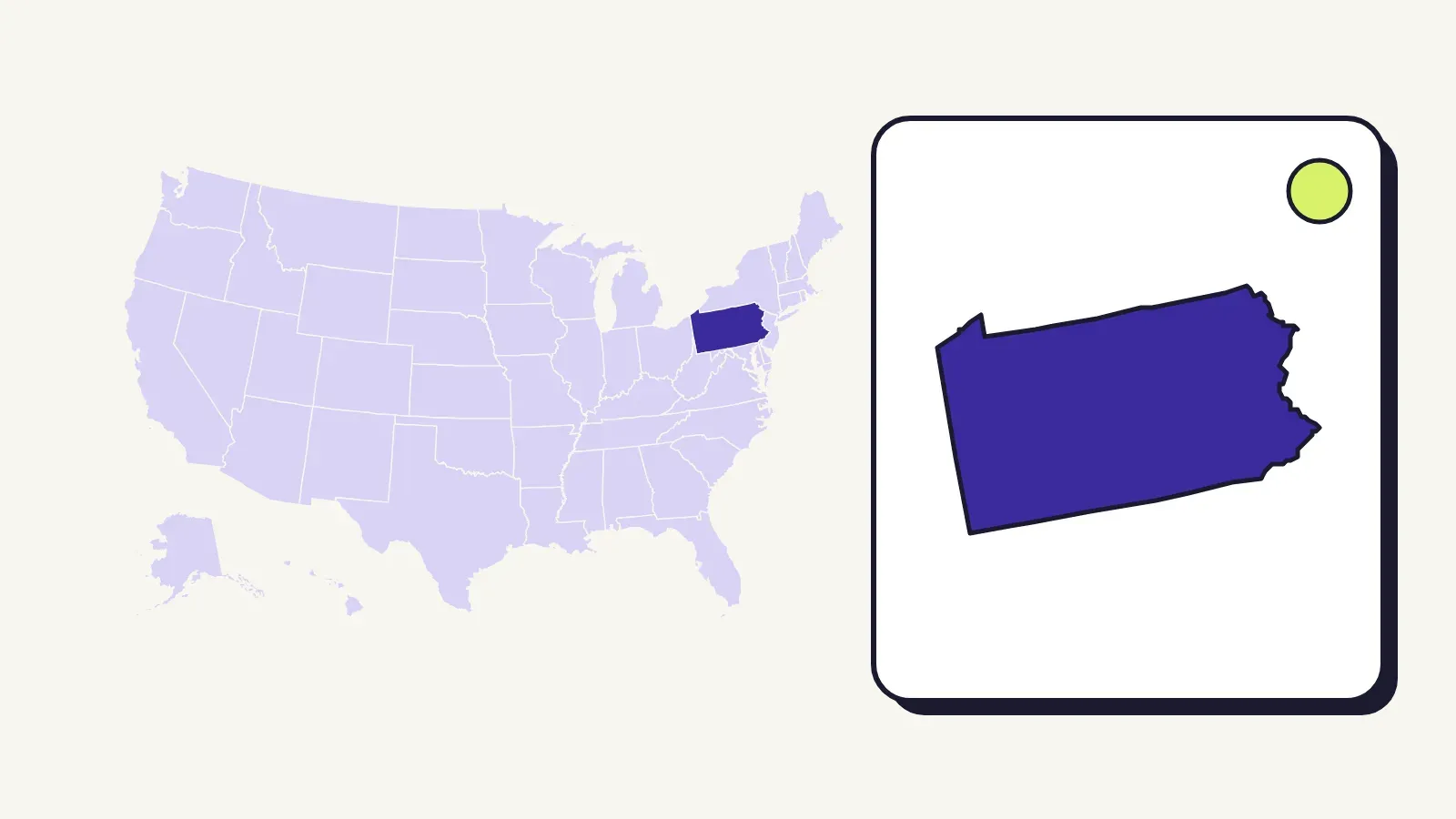
No payday or title loans; wages exempt from garnishment for consumer debt; 4-year limit on debt suits.