Payday allowed
Borrowing in Rhode Island: What State Law Allows
Payday loans are still legal here until the end of 2026, when a new law shuts the loophole they use. Here is what changes, what small-loan lenders may charge and how long a debt can follow you.
By Lendmira Editorial Team Updated 7 min read
- Payday loans
- Allowed until 2027
- Deferred deposit fee cap
- 10% of the advance
- Small-loan rate cap
- 36% (up to $300)
- Time limit to sue on debt
- 10 years
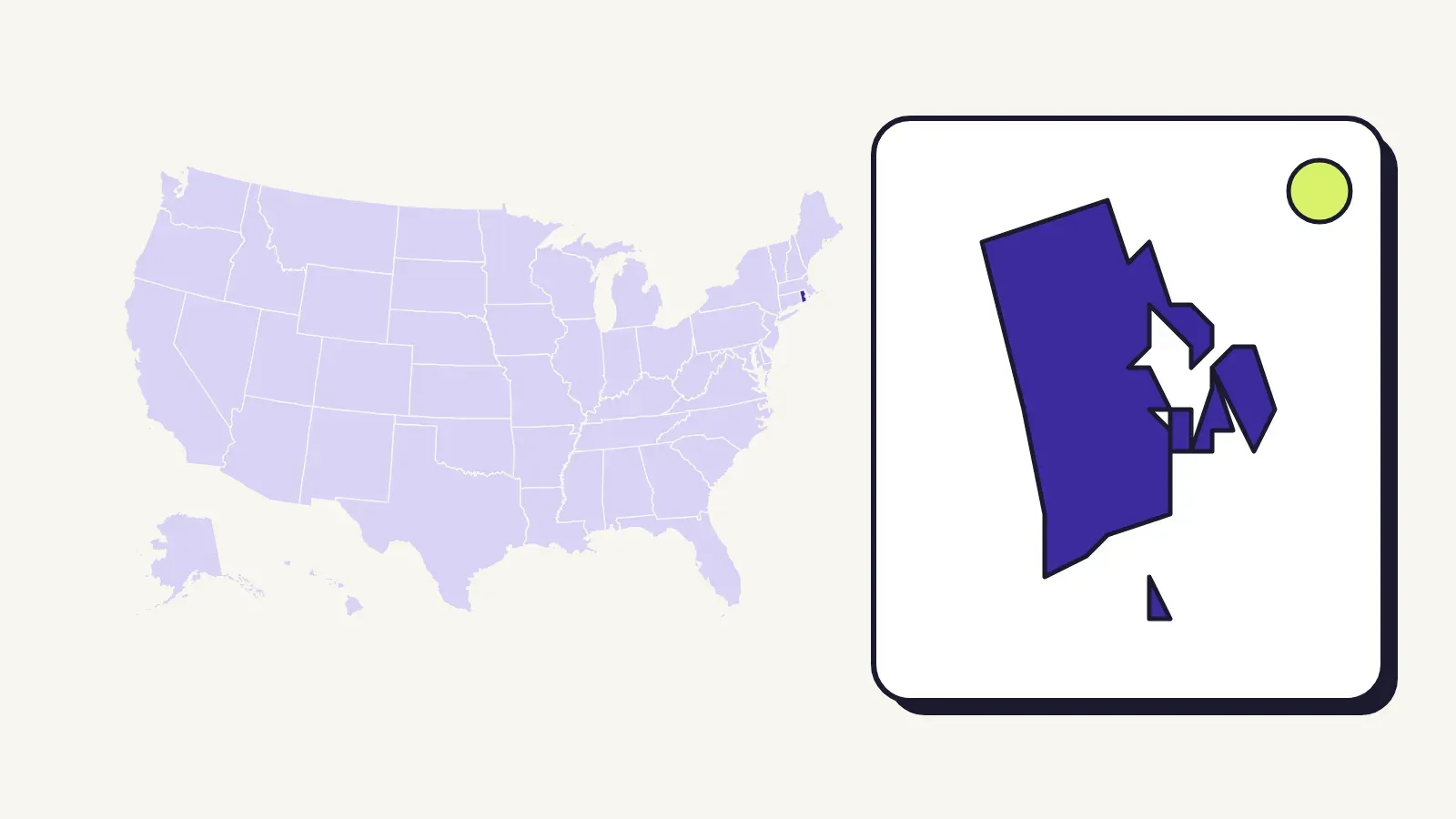
The short version
Through December 31, 2026, Rhode Island check cashers can still make deferred deposit (payday) loans of up to $500 for a fee of up to 10% of the amount advanced. A 2025 law repeals that option on January 1, 2027, leaving the small-loan law's caps of 36% a year or less. Car title loans have no legal basis here. A creditor has up to 10 years to sue on most debts.
Rhode Island lending rules at a glance
Payday loans until December 31, 2026
Rhode Island's payday loans come from licensed check cashers under a deferred deposit exemption in the check-cashing law (chapter 19-14.4). You write a check, and the business agrees to hold it before depositing it. Until the repeal takes effect, the rules are:
- Amount: no single check over $500, and no more than $500 outstanding with one business and its affiliates.
- Fee: no more than 10% of the funds advanced.
- Term: the deposit date must be at least 13 days after you sign.
- Rollovers: one, and only for an additional fee.
- Disclosure: the agreement must state the fee in dollars and as an APR.
A 10% fee sounds small, but on a 14-day loan it works out to an APR of about 261%. The bill's sponsors cited an effective APR of 260% when they moved to end the exemption.
What changes on January 1, 2027
In 2025 the General Assembly passed House bill 5042A and Senate bill 229A, and the governor signed them. From January 1, 2027, the deferred deposit section of the check-cashing law is repealed. After that, payday-style loans must fit within the small-loan law, which tops out at 36% a year.
The new law also tightens the small-loan statute itself. It bars any "device, subterfuge or pretense" to get around the rate limits, such as disguising a loan as a sale and leaseback or as a cash rebate, and it applies to loans made by mail, phone or internet whether or not the lender has an office in the state.
Rate limits for small loans
Licensed small-loan lenders may lend up to $5,000 in total to one borrower. Interest is charged monthly on the unpaid principal, at rates that step down as the loan gets bigger:
| Principal | Monthly rate | Annual equivalent |
|---|---|---|
| Up to $300 | 3% | 36% |
| $300.01 to $800 | 2.5% | 30% |
| $800.01 to $5,000 | 2% | 24% |
A loan of $5,000 or less that breaks these limits can't be enforced in Rhode Island, wherever it was made. No state law authorizes car title loans at higher rates, so a vehicle-secured loan has to fit these rules as well.
Old debts, lawsuits and garnishment
Rhode Island's general time limit for civil actions is 10 years from when the claim arose, and it is the period that usually applies to credit card and loan debt. A collector may still contact you about an old balance; see how statutes of limitations work before you agree to pay or sign anything.
State law fully exempts wages paid from public or charitable relief funds, and all wages of a person who has received public assistance, for a year after the assistance ends. The state's own general wage exemption is a small dollar amount, so for most workers the federal limit is what protects pay: no more than 25% of disposable earnings, or the amount above 30 times the federal minimum wage, whichever is less.
Where to check a lender or complain
- Look up the license on NMLS Consumer Access. Check cashers, small-loan lenders and lender licensees are all supervised by the Division of Banking.
- File a complaint with the Department of Business Regulation's Division of Banking if a lender overcharges or won't give you your documents.
- Know your collection rights. Read debt collectors and your rights if a payday debt goes to collections.
Common questions
Are payday loans legal in Rhode Island?
Yes, until December 31, 2026: check cashers can lend up to $500 for a fee of up to 10% of the advance. A 2025 law ends that exemption on January 1, 2027.
What is the interest rate cap on small loans in Rhode Island?
3% a month (36% a year) on loans up to $300, 2.5% a month up to $800 and 2% a month up to $5,000.
What is the statute of limitations on debt in Rhode Island?
Generally 10 years for civil actions, including credit card and loan debt.
Are car title loans legal in Rhode Island?
No law authorizes them, and loans of $5,000 or less must stay within the small-loan rate limits.
Sources
- Rhode Island General Assembly — Press release on 2025-H 5042A / 2025-S 0229A (payday lending)
- R.I. Gen. Laws chapter 19-14.4 — Check cashing (sections in effect until and from January 1, 2027)
- R.I. Gen. Laws section 19-14.4-4 — Fees, including deferred deposit transactions
- R.I. Gen. Laws section 19-14.2-8 — Maximum small loan and interest rate
- R.I. Gen. Laws section 9-1-13 — Limitation of civil actions
- Rhode Island Department of Business Regulation — Banking
Facts on this page were checked against these sources on October 13, 2026. We will update it when the deferred deposit repeal takes effect on January 1, 2027.
Keep reading
-
Loan type
Payday loan alternatives
Credit union PALs up to $2,000 at 28% APR or less, paycheck advances, payment plans and local help.
-

Debt help
Old debt and time limits
Most states give collectors 3–6 years to sue. What can restart the clock, and why it's not the 7-year credit rule.
-
State law
Massachusetts
Small loans capped at 23% plus a $20 fee, so payday loans are illegal; 85% of wages protected from garnishment.