Payday allowed
Borrowing in Texas: What State Law Allows
Payday and title loans are legal here through a workaround that leaves their fees uncapped. Here is how that works, what licensed lenders may charge, and the strong protections Texas gives borrowers who fall behind.
By Lendmira Editorial Team Updated 7 min read
- Payday loans
- Allowed via CABs
- State fee cap on CAB loans
- None
- Time limit to sue on debt
- 4 years
- Wage garnishment for card debt
- Not allowed
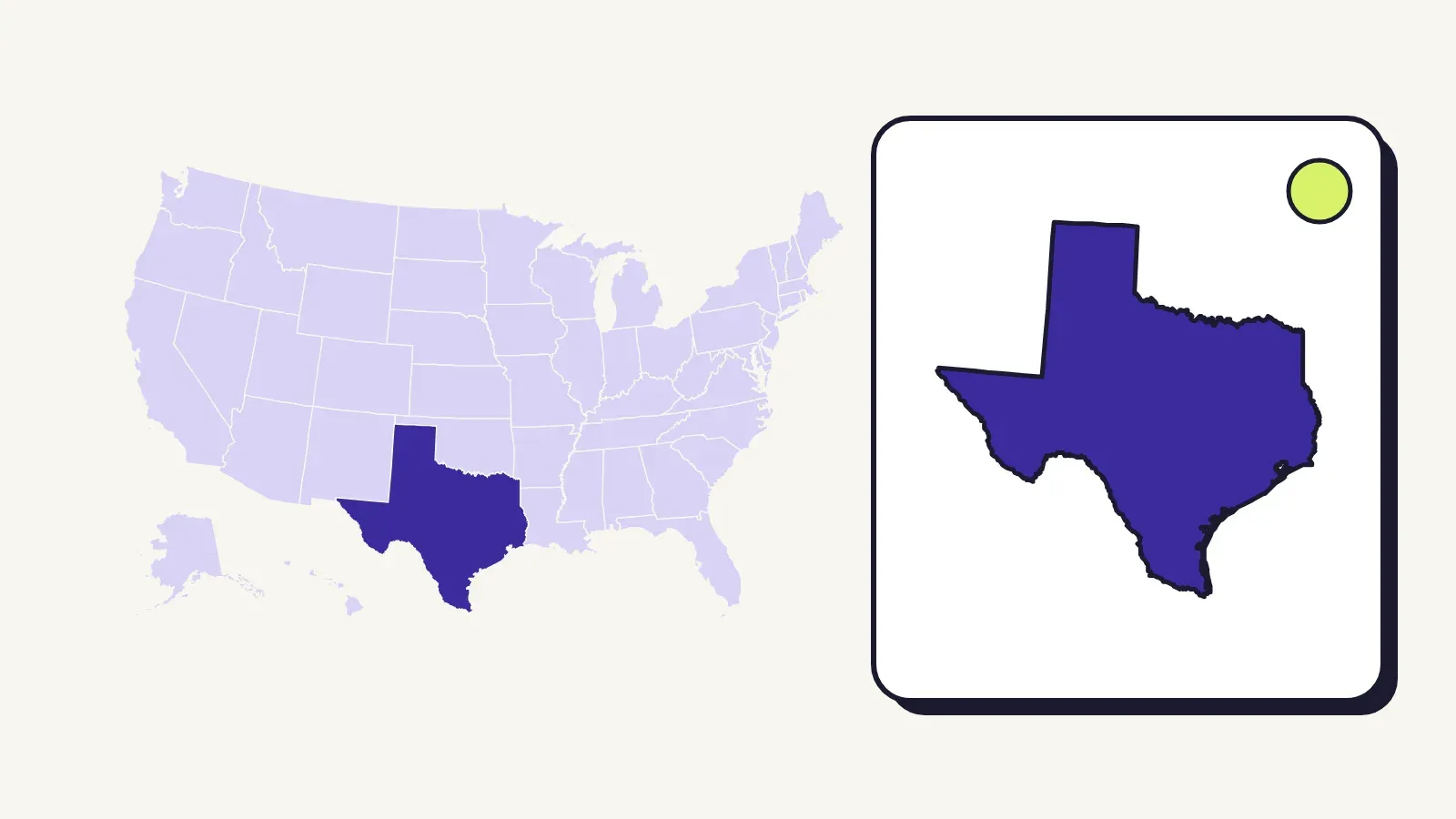
The short version
Texas lets payday and car title loans operate through credit access businesses (CABs), which arrange the loan and charge a fee that state law does not cap. Many large cities add their own limits on loan size and renewals. Licensed installment lenders face tiered rate ceilings instead. If you fall behind, a creditor generally has four years to sue, and Texas protects current wages from garnishment for ordinary consumer debt.
Texas lending rules at a glance
How payday and title loans work in Texas
A Texas payday or title loan usually involves two businesses. An unlicensed third-party lender makes the loan, and a credit access business, licensed by the Office of Consumer Credit Commissioner (OCCC), arranges it. You sign a promissory note with the lender and a separate credit services agreement with the CAB, and you make your payments to the CAB.
The CAB's fee is where most of the cost sits, and Chapter 393 of the Finance Code sets no ceiling on it. Fees are typically quoted per $100 borrowed or as a percentage of the loan; spread over a few weeks, they add up to APRs in the hundreds of percent. Ask for the total dollar cost and the APR in writing before you sign.
City rules that go further
Dozens of Texas cities, including Houston, Dallas, Austin and San Antonio, have adopted local ordinances for CABs operating inside city limits. Under Houston's version, which follows the common model:
- A payday loan may not exceed 20% of your gross monthly income.
- A title loan may not exceed the lesser of 3% of your gross annual income or 70% of the car's retail value.
- An installment loan may be repaid in no more than four installments and can't be refinanced or renewed.
- A single-payment loan can be renewed no more than three times; a new loan within seven days of paying off the last one counts as a renewal.
These limits apply where you take out the loan, not where you live, and they vary slightly by city. Online loans arranged by a CAB outside those cities may not follow them.
What licensed installment lenders may charge
Texas's default interest ceiling is low: 10% a year unless another law allows more. Most consumer lending happens under one that does, Chapter 342 of the Finance Code, which licenses consumer lenders and sets rate ceilings that step down as the loan gets bigger.
| Highest rate tier applies up to | $4,600 |
|---|---|
| Middle tier applies up to | $9,660 |
| Lowest tier applies up to | $23,000 |
The OCCC adjusts the brackets each July; the rates attached to them are set in the statute. Banks chartered in other states, and lenders that partner with them, can often lend at the rates their home state allows, so an online offer may not follow these ceilings at all. The APR on the disclosure is what counts.
If you fall behind
Texas gives borrowers more protection than most states once a debt goes unpaid. A creditor or debt buyer generally has four years to sue on a debt, including credit card debt, under section 16.004 of the Civil Practice and Remedies Code. After that, a collector may still ask you to pay but cannot win in court if you raise the time limit.
The Texas Constitution bars garnishing current wages for ordinary consumer debts. Exceptions are child support and spousal maintenance, plus federal debts such as unpaid taxes and defaulted federal student loans. Money already in your bank account is not protected the same way: a creditor with a court judgment can seek a writ of garnishment on the account.
For your federal rights with collectors, see debt collectors and your rights.
Checking a lender and making a complaint
- Look the business up on the OCCC license search or NMLS Consumer Access before you hand over any details.
- Get the full cost in writing: amount financed, fees in dollars, APR and the payment schedule.
- Complain to the OCCC if a lender or CAB misleads you, threatens you or won't give you your documents. You can also file with the CFPB.
Common questions
Are payday loans legal in Texas?
Yes. They are arranged by licensed credit access businesses, and state law doesn't cap the CAB's fee. Many cities limit how much you can borrow and how often a loan can be renewed.
How long can a debt collector sue me in Texas?
Generally four years from when you defaulted. Making a payment or signing an acknowledgment can affect the clock, so read how statutes of limitations work before you respond to an old debt.
Can my wages be garnished for credit card debt in Texas?
No. Texas protects current wages from garnishment for ordinary consumer debts. Child support, spousal maintenance and some federal debts are the exceptions.
Who regulates lenders in Texas?
The Office of Consumer Credit Commissioner licenses consumer lenders and credit access businesses and takes complaints about them.
Sources
- Texas Office of Consumer Credit Commissioner — Credit Access Businesses
- Texas Credit Letter 2026 — rate bracket adjustment, Chapter 342 (OCCC)
- City of Houston — Credit Access Business ordinance
- Texas State Law Library — Collecting the debt (statute of limitations, wage garnishment)
Facts on this page were checked against these sources on October 13, 2026. City ordinances differ in their details; check the rules of the city where the business is located.
Keep reading
-
Loan type
Payday loan alternatives
Credit union PALs up to $2,000 at 28% APR or less, paycheck advances, payment plans and local help.
-

Debt help
Debt collectors and your rights
Validation notices, the 30-day dispute window, the 7-calls-in-7-days rule and how to complain.
-
State law
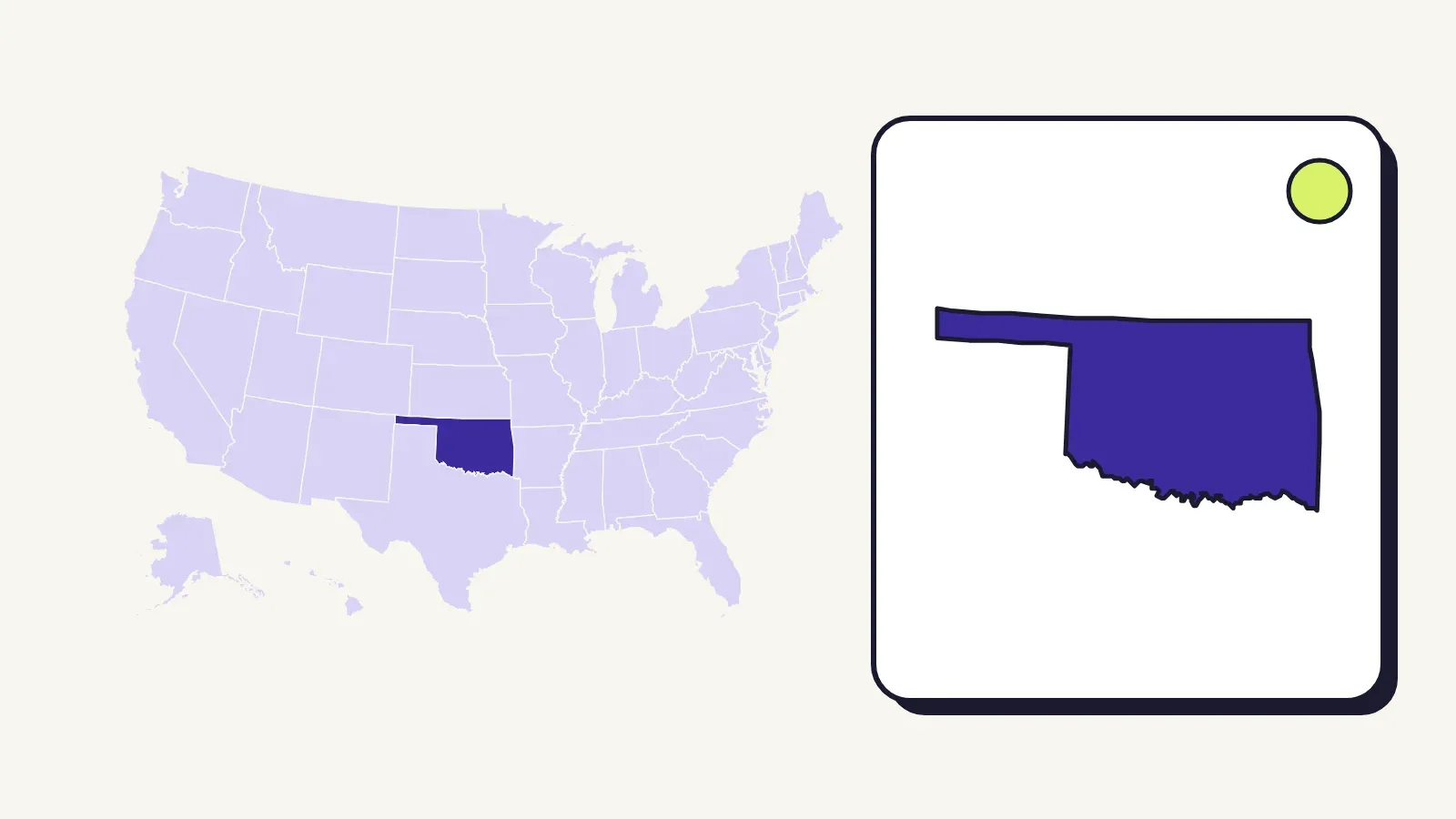
Oklahoma
Payday loans replaced by unsecured small loans at up to 17% a month; 5-year limit on written debts.