Credit range
Good Credit Loans: Where Comparing Offers Pays Off Most
At 670 to 739 nearly every kind of lender will consider you, and the offers you get can still be 8 points apart. Here is what drives the gap and how to land near the low end.
By Lendmira Editorial Team Updated 8 min read
- Score range
- 670–739
- Typical APR
- 12%–20%
- Bank average, Aug 2026
- 11.90% (24-month)
- Card APR, Aug 2026
- 22.36% if charged
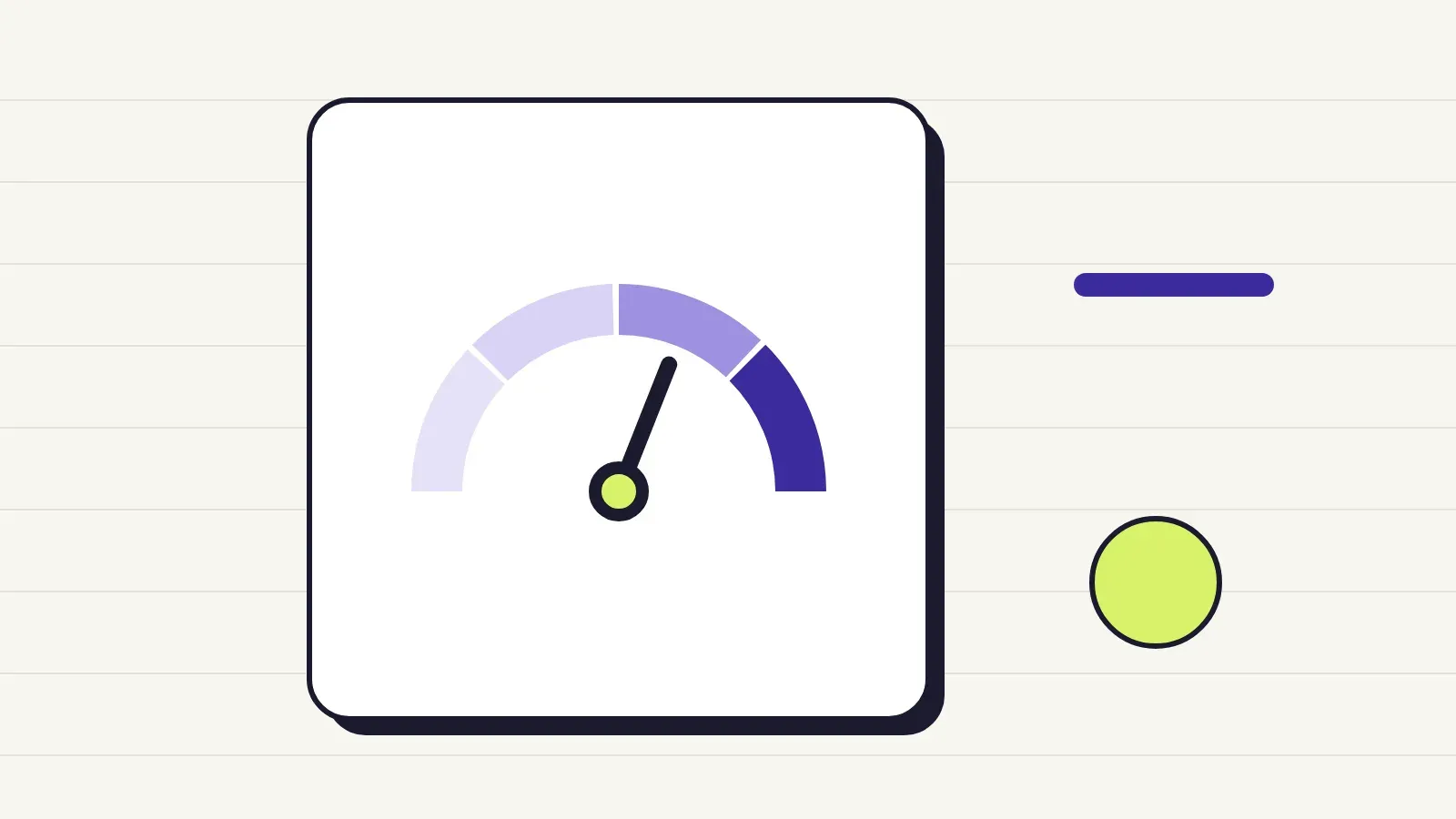
The short version
With a score from 670 to 739, personal loan offers typically run about 12% to 20% APR, close to the 11.90% commercial banks averaged on two-year loans in August 2026. A $10,000 loan over three years at 16% costs $351.57 a month and about $2,657 in interest. That is usually well below credit card rates, which makes this the range where consolidating card debt most often works.
What good credit gets you
Good credit puts you inside most lenders' standard approval rules. Banks, credit unions and online lenders all compete for borrowers in this range, so you have real choices. The job is no longer finding a yes; it is picking the least expensive yes, and that takes comparing.
| APR | About 12%–20%; scores near 739 with low debt land toward the bottom |
|---|---|
| Amount | Larger amounts are within reach, limited mainly by income and existing debt |
| Term | A choice of terms, commonly two to five years and sometimes longer |
| Origination fee | Some offers carry none; others charge one, so compare by APR |
| Approval odds | Good at most banks, credit unions and online lenders, given steady income |
Ranges are indicative and used across Lendmira; an individual offer can fall outside them. Federal credit unions can't charge more than 18% on most loans, so at this range a credit union quote is worth getting alongside the bank and online ones.
Worked example: $10,000 over three years
At the middle of the good range, $10,000 at 16% APR for 36 months means $351.57 a month, about $12,657 in total and roughly $2,657 in interest.
| APR | Monthly payment | Total interest |
|---|---|---|
| 12% | $332.14 | $1,957 |
| 16% | $351.57 | $2,657 |
| 20% | $371.64 | $3,379 |
The low and high ends of the same credit band are about $1,400 apart on this loan. Try other amounts and terms in the loan payment calculator.
Why two good-credit borrowers get different rates
- Where you sit in the band. A 735 and a 675 are both good, but lenders price them differently.
- Debt-to-income ratio. High monthly debt payments compared with income push the rate up even with a strong score. Funditia's debt-to-income calculator guide shows how lenders compute it.
- Term. Many lenders charge a higher rate for longer terms, on top of the extra months of interest.
- Autopay and relationship discounts. Some lenders take a fraction of a point off for automatic payments or an existing account.
- The lender itself. Each one weighs the same file differently, which is the main reason to prequalify with several.
Where to look first
Your own bank
Existing customers sometimes get a rate discount or a faster decision, especially with autopay from a checking account there. Banks tend to be strict, but good credit usually clears the bar.
A credit union
Federal credit unions are capped at 18% on most loans, near the top of the good range, and some don't charge origination fees. You'll need to join, which is usually simple.
Online lenders
Most let you prequalify with a soft inquiry and see a rate in minutes. Compare at least three, and note which ones charge an origination fee.
Line the offers up by APR, monthly payment and total of payments for the same amount and term. Our guide to comparing loan offers has a checklist.
Consolidating card debt at this range
In August 2026, credit card accounts charged interest averaged 22.36%. Pay off a $10,000 balance at that rate in equal payments over three years and it costs $383.77 a month and about $3,816 in interest. A $10,000 loan at 16% over the same three years costs $351.57 a month and about $2,657, so roughly $1,159 less, assuming no origination fee.
Keep the term no longer than the time you'd realistically need to clear the cards. Stretch the same loan to five years and the payment falls to $243.18, but the interest rises to about $4,591, more than the cards would have cost over three years. If your offer carries a fee, use the APR, not the interest rate, when you compare it with your cards.
A lower rate isn't always a lower price
Good-credit borrowers often see two kinds of offers: a lower interest rate with an origination fee, or a higher rate with none. Here are two offers on a $10,000, 36-month loan:
| Detail | Offer A | Offer B |
|---|---|---|
| Interest rate | 13% | 15% |
| Origination fee | 5% ($500) | None |
| Cash you receive | $9,500 | $10,000 |
| Monthly payment | $336.94 | $346.65 |
| APR | 16.63% | 15.00% |
Offer A has the lower rate and the lower payment, yet it is the more expensive loan: you get $500 less and still repay interest on the full $10,000. The APR catches this, which is why it is the number to compare. Our guide to origination fees walks through the math, and the APR calculator does it for any offer.
From good to excellent
Reaching 740 moves the indicative range down to 7%–13%. On the $10,000 example, going from 16% to 10% would cut the payment to $322.67 and the total interest to about $1,616. You don't need to wait for that to borrow, but if the need isn't urgent, a few months of work can pay off.
- Keep every payment on time. A late payment reported to the bureaus can pull a score down sharply and stays on your report for years.
- Lower your card balances before you apply, so the statement balances reported to the bureaus are small.
- Space out new applications. FICO says one additional inquiry takes less than five points off most people's scores, but several in a row add up.
- Follow a plan. Funditia's guide on how to improve your credit score covers the details.
See how lenders treat scores above 740 on loans with excellent credit.
Common questions
What interest rate can I get on a personal loan with a 700 credit score?
Typically somewhere in the 12%–20% APR range. Your debt-to-income ratio, the term and the lender move it within that band, so prequalify with several lenders to see your actual offers.
Is 680 a good credit score for a loan?
It is in the good range, so most lenders will consider you. Expect offers toward the middle or upper part of the 12%–20% range rather than the lowest advertised rates.
Should I take the loan with the lowest interest rate?
Not automatically. Compare APRs: a lower rate with a large origination fee can cost more than a slightly higher rate with no fee.
Is a personal loan cheaper than a credit card with good credit?
Usually. Card accounts charged interest averaged 22.36% in August 2026, well above the 12%–20% typical for good-credit personal loans.
Sources
- Federal Reserve — Consumer Credit G.19, release of October 7, 2026 (interest rates, August 2026)
- National Credit Union Administration — NCUA Board extends loan interest rate ceiling (2026)
- Consumer Financial Protection Bureau — Do personal installment loans have fees?
- myFICO — Credit checks: what are credit inquiries and how do they affect your FICO Score?
Facts on this page were checked against these sources on October 13, 2026. Payments and the APR in the fee example are calculated, not quoted from a lender, and assume a fixed rate with equal monthly payments.
What a loan with good credit could cost you
The numbers below are a typical starting point. Change them to match the offer in front of you, then see what lenders would actually quote.
For every $1 you borrow, you repay —. An example, not an offer: your APR depends on your credit, income and state.
Check your rate for this loanNo credit check here
Check your rate
Tell us about the loan and lenders working with Lendmira can show you what they offer. Lendmira doesn't check your credit, and you don't have to accept anything.
- 1 The loan: amount, purpose, credit range, ZIP.
- 2 Your contact details and consent.
- 3 Lenders contact you with options. Compare APRs before you apply.
Lendmira is not a lender, does not make credit decisions and is not paid by you. Lenders that contact you set their own rates and terms and may check your credit before making an offer. How we make money.
Keep reading
-
By credit score
Excellent credit
Scores of 740+: APRs of about 7%–13%. Rate shop with soft checks, ask for autopay discounts, keep terms short.
-
Guide
Comparing loan offers
Three $10,000 quotes worked out: the lowest rate had a 14.06% APR, and the lowest payment cost $1,064.76 more.
-
Loan type
Debt consolidation loans
One fixed loan to pay off several debts. Worth it only if the APR clearly beats your cards, which averaged 22.36%.