Payday allowed
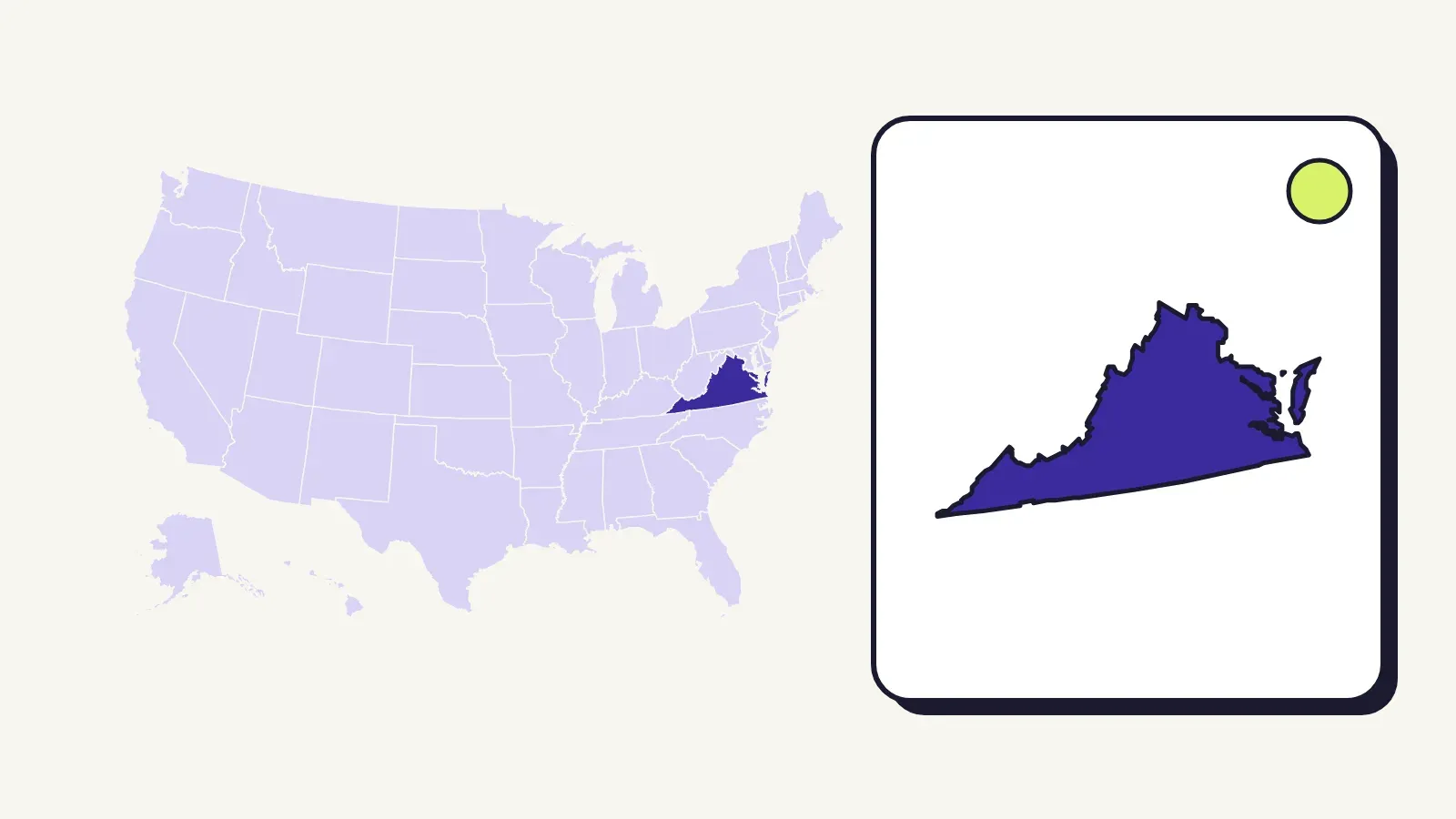
Borrowing in Virginia: What State Law Allows
Since 2021, Virginia's small-loan rules set a 36% interest ceiling with a monthly fee on top, minimum terms of several months and a three-day right to cancel. Here's what that means in dollars.
By Lendmira Editorial Team Updated 7 min read
- Short-term loans
- Up to $2,500
- Interest limit
- 36% plus a monthly fee
- Time to sue, signed contract
- 5 years
- Max wage garnishment
- 25% of take-home pay
The short version
Virginia allows short-term loans of up to $2,500, repaid over 4 to 24 months, at 36% simple interest plus a monthly maintenance fee of up to $25. Car title loans follow similar rules with a $15 fee cap and no deficiency judgment after repossession. Suits on signed written contracts must be filed within five years, unsigned or oral ones within three, and garnishment is limited to 25% of disposable earnings.
Virginia lending rules at a glance
Short-term loans: what replaced payday lending
The 2020 Fairness in Lending Act, in effect since January 1, 2021, rewrote Chapter 18 of Title 6.2. Licensed short-term lenders can still lend small amounts quickly, but no longer as two-week balloon loans. Under sections 6.2-1816 to 6.2-1817:
- Amount: no more than $2,500 owed to a lender at any time, and only one short-term loan outstanding from any licensee.
- Term: 4 to 24 months, in substantially equal payments of principal, interest and fees. A shorter term is allowed only if each monthly payment is no more than 5% of your verified gross monthly income or 6% of net income.
- Price: simple interest of up to 36% a year, plus a monthly maintenance fee of up to the lesser of 8% of the loan amount or $25. The SCC may adjust the $25 for inflation by regulation.
- Other charges: a returned-payment fee of up to $25 and a late charge of up to $20.
- Cancellation: you can cancel by 5 p.m. on the third business day after the loan by returning the money.
- No renewals: the lender can't refinance, renew or extend the loan, except as the law specifically allows.
The fee is why these loans still cost more than 36%. Take a $500 loan over six months: 36% interest adds about $54, and six $25 maintenance fees add $150. You'd pay about $117 a month and roughly $204 in total cost, an APR of about 129%.
Car title loans
Title lenders are licensed under Chapter 22. The current rules, from sections 6.2-2215 to 6.2-2217:
Size and term
Up to $2,500, repaid over 6 to 24 months. One title loan at a time from any licensee.
Price
36% simple interest plus a monthly fee of up to the lesser of 8% of the loan or $15.
Before repossession
At least 10 days' written notice, then at least 15 days' notice before a sale. You can redeem the car until it's sold.
After a sale
You get any surplus within 10 days, and the lender can't sue you for a shortfall unless you hid or damaged the car.
You can also cancel a title loan by 5 p.m. on the third business day. Before you put your car on the line, look at the alternatives to payday and title loans.
Installment loans from consumer finance companies
Larger personal loans from licensed consumer finance companies fall under section 6.2-1520: loans of $300 to $35,000 for 6 to 120 months, at a single annual rate of no more than 36%. The lender may add a processing fee of up to the greater of $50 or 6% of the principal, never more than $150, and a late fee of up to $20. Banks and credit unions follow their own rules. Before you compare offers, see how origination fees change the APR.
Time limits and garnishment
Under Code section 8.01-246, a creditor has five years to sue on a written contract you signed, and three years on an unwritten contract or a written one you didn't sign. Credit card agreements are usually not signed by the cardholder, so the three-year period often applies, though a collector may argue for five. Medical debt has its own three-year limit, counted from the final invoice. See how statutes of limitations work.
Short-term lenders may not file any legal action until 60 days after default, and their damages and costs can't exceed the original loan amount.
After a judgment, section 34-29 limits wage garnishment to the lesser of 25% of disposable earnings or the amount above 40 times the federal or Virginia minimum hourly wage, whichever minimum is higher. Because Virginia's minimum wage is above the federal one, that protects more than federal law.
Protections and complaints
- Short-term lenders may not lend to active-duty military members or their dependents.
- They can't threaten criminal charges over a bounced check or missed payment, or take your car title as security.
- Licensees must post their fees and a notice explaining how to file a complaint.
Check a license and file complaints with the State Corporation Commission's Bureau of Financial Institutions, which licenses short-term, title and consumer finance lenders. You can also file with the CFPB, and review your rights with debt collectors.
Common questions
Are payday loans legal in Virginia?
Not in the old two-week form. Licensed lenders can make short-term installment loans of up to $2,500 over 4 to 24 months at 36% interest plus a monthly fee of up to $25.
What is the maximum interest on a title loan in Virginia?
36% simple interest a year plus a monthly maintenance fee of up to $15. The loan can't exceed $2,500.
What is the statute of limitations on credit card debt in Virginia?
Three years for an unsigned written or oral contract and five years for a signed written contract. Most card debt is argued under the three-year rule, but the answer depends on the paperwork.
Who regulates lenders in Virginia?
The State Corporation Commission's Bureau of Financial Institutions licenses short-term, title and consumer finance lenders and takes complaints.
Sources
- Code of Virginia § 6.2-1816.1 — Short-term loan terms
- Code of Virginia § 6.2-1817 — Short-term loan fees and charges
- Code of Virginia § 6.2-1816 — Short-term lender prohibitions
- Code of Virginia §§ 6.2-2215.1, 6.2-2216 — Title loan terms and charges
- Code of Virginia § 6.2-1520 — Consumer finance loan rates
- Code of Virginia § 8.01-246 — Limitations on contract actions
- Code of Virginia § 34-29 — Wage garnishment limits
Facts on this page were checked against these sources on October 13, 2026. The SCC can raise the $25 short-term maintenance fee for inflation by regulation, so confirm the current figure on your contract.
Keep reading
-
Loan type
Payday loan alternatives
Credit union PALs up to $2,000 at 28% APR or less, paycheck advances, payment plans and local help.
-

Debt help
Old debt and time limits
Most states give collectors 3–6 years to sue. What can restart the clock, and why it's not the 7-year credit rule.
-
State law
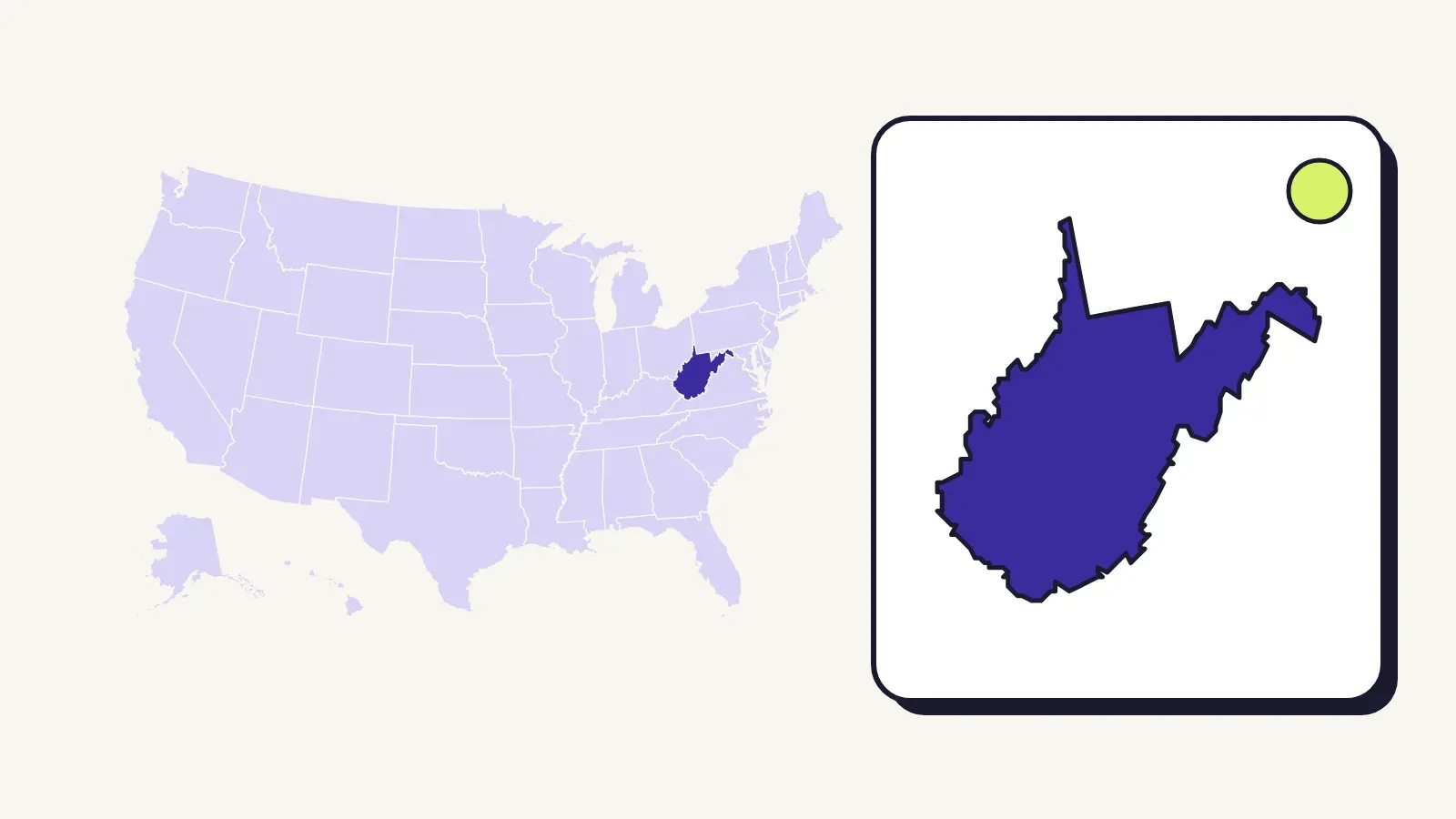
West Virginia
No payday or title loans; 31% cap on consumer loans up to $3,500; garnishment limited to 20%.