Payday banned
Borrowing in West Virginia: What State Law Allows
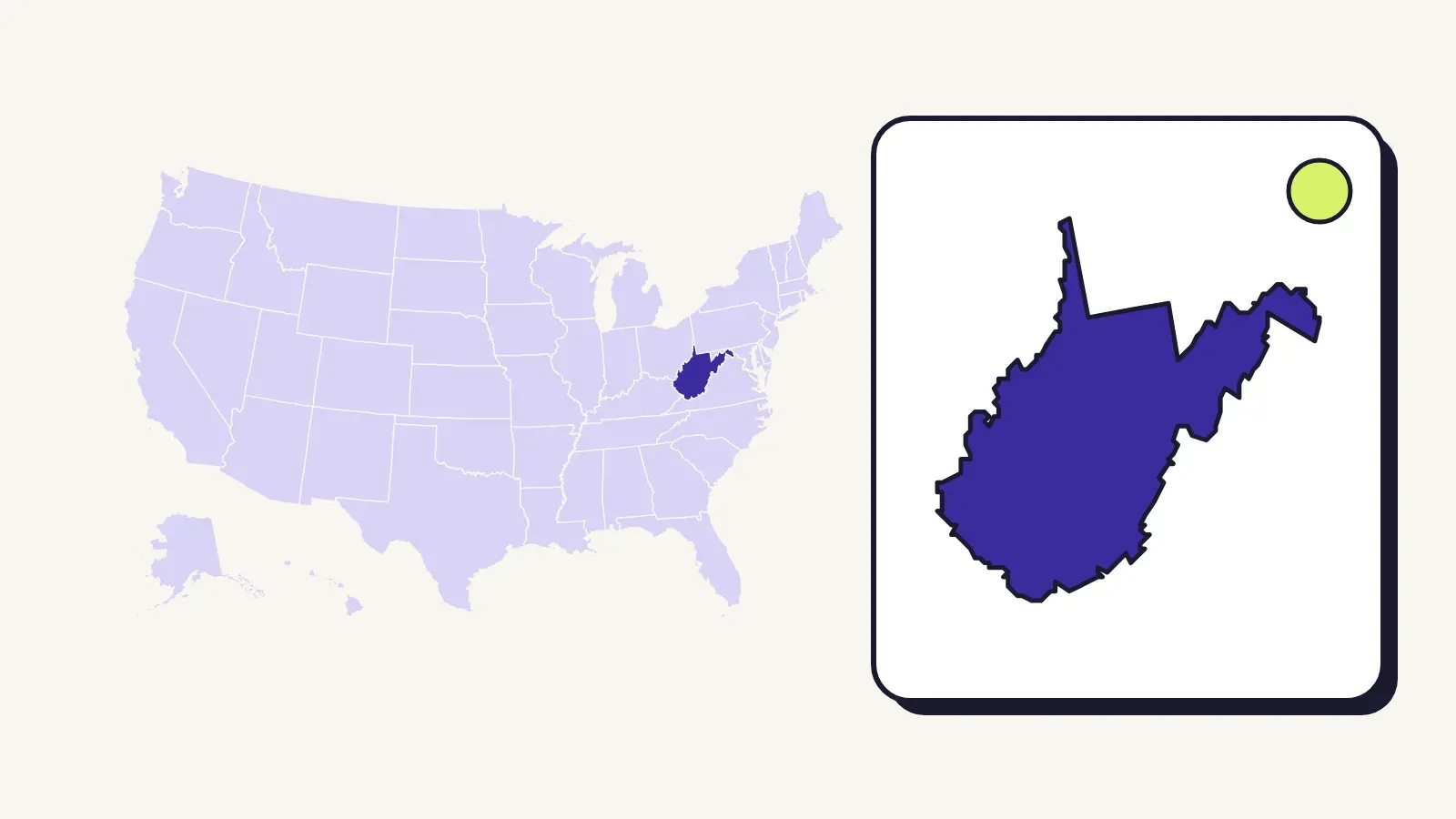
West Virginia keeps payday and title lenders out with tiered rate caps, and it protects more of a borrower's paycheck than federal law. The trade-off: its time limits for debt lawsuits are among the longest.
By Lendmira Editorial Team Updated 6 min read
- Payday loans
- Not allowed
- Cap on loans to $3,500
- 31% a year
- Time to sue, signed contract
- 10 years
- Max wage garnishment
- 20% of take-home pay
The short version
Payday and car title loans are not available in West Virginia. Licensed consumer lenders can charge no more than 31% a year on unsecured loans of $3,500 or less, with lower caps on larger loans. Creditors have 10 years to sue on a signed written contract and five years on other contracts. Garnishment for a consumer loan judgment is limited to 20% of disposable earnings.
West Virginia lending rules at a glance
Why there are no payday or title lenders
West Virginia never passed a law authorizing payday lending, and its consumer loan rate caps sit far below what a two-week payday loan costs. The Check Cashers Act closes the usual workaround: a check casher may not agree to hold your check for deposit at a later date in order to make you a loan (W. Va. Code § 32A-3-1).
Car title loans have no separate statute either, so they fall under the same rate limits that keep the business model from working here. If you see an online payday or title offer aimed at West Virginians, check the lender's license before sharing your bank account.
Rate caps for licensed consumer lenders
Nonbank consumer lenders are licensed by the Division of Financial Institutions. Section 46A-4-107 of the West Virginia Consumer Credit and Protection Act sets their ceilings by loan size:
| Loan | Maximum rate | Allowed extra fee |
|---|---|---|
| $3,500 or less, not secured by real estate | 31% | Processing fee up to 2% of the amount financed |
| $3,500.01 to $15,000, or secured by real estate | 27% | Origination fee or points up to 2% (5% if secured by real estate) |
| Over $15,000 | 18% | Same as above |
To put the top rate in dollars: a $2,000 loan at 31% repaid over 24 months costs about $113 a month and roughly $709 in interest. That's expensive, but it's a fraction of what the same sum would cost as a rolled-over payday loan. Use the loan payment calculator to test other amounts.
Two things can push the real cost above the note rate. The first is the allowed fee: a 2% processing fee on that $2,000 loan is $40, which raises the APR a little above 31%. The second is where the lender is chartered. Banks based in other states can often lend at their home state's rates, and some online lenders partner with them, so an offer can carry a higher APR than these caps. The APR on the federal disclosure is the number to compare.
How long a creditor has to sue
West Virginia Code section 55-2-6 gives 10 years for a contract in writing signed by the person being sued, and five years for any other contract, express or implied.
Credit card debt sits between the two. Card agreements are usually accepted by using the card rather than by signing, which points to five years, but a creditor holding a signed application may argue for ten. If you're sued on an old card balance, the paperwork the creditor produces matters. Read how statutes of limitations work before you make any payment on an old account.
Your paycheck after a judgment
For a judgment arising from a consumer loan or consumer credit sale, section 46A-2-130 limits garnishment to the lesser of 20% of your weekly disposable earnings or the amount above 50 times the federal minimum hourly wage. At the current $7.25 federal minimum, that floor is $362.50 a week.
The general wage execution statute, section 38-5A-3, works the same way: the levy is capped at 20% of wages, it can't start unless your weekly after-tax pay exceeds 50 times the federal minimum wage, and it can't reduce your pay below that amount. Federal law would allow up to 25% with a 30-times floor, so West Virginia protects more.
Complaints and help
- Check the license with the Division of Financial Institutions or on NMLS Consumer Access.
- File a complaint with the Division of Financial Institutions about a licensed lender's charges or practices.
- Report illegal lending or collection abuse to the Attorney General's Consumer Protection Division or the CFPB. Know your rights with debt collectors.
Common questions
Are payday loans legal in West Virginia?
No. No state law authorizes them, and consumer loan rate caps of 31% or less keep payday and title lenders out.
What is the maximum interest rate on a personal loan in West Virginia?
For licensed consumer lenders, 31% a year on unsecured loans of $3,500 or less, 27% up to $15,000 and 18% above that. Banks chartered in other states may follow their home state's rules.
What is the statute of limitations on debt in West Virginia?
Ten years for a signed written contract and five years for other contracts. Credit card cases often turn on whether the creditor has a signed agreement.
How much of my wages can be garnished in West Virginia?
For a consumer loan judgment, the lesser of 20% of weekly disposable earnings or the amount above 50 times the federal minimum wage.
Sources
- W. Va. Code § 46A-4-107 — Consumer loan finance charge limits
- W. Va. Code § 32A-3-1 — Check cashers: holding checks for later deposit
- W. Va. Code § 55-2-6 — Limitation of actions on contracts
- W. Va. Code § 46A-2-130 — Garnishment limits on consumer credit judgments
- W. Va. Code § 38-5A-3 — Suggestee execution on wages
- West Virginia Division of Financial Institutions — Consumer complaints
Facts on this page were checked against these sources on October 13, 2026. Section 46A-4-107 was last amended in 2019; confirm the rate on your contract against the current statute.
Keep reading
-
Loan type
Payday loan alternatives
Credit union PALs up to $2,000 at 28% APR or less, paycheck advances, payment plans and local help.
-

Debt help
Old debt and time limits
Most states give collectors 3–6 years to sue. What can restart the clock, and why it's not the 7-year credit rule.
-
State law
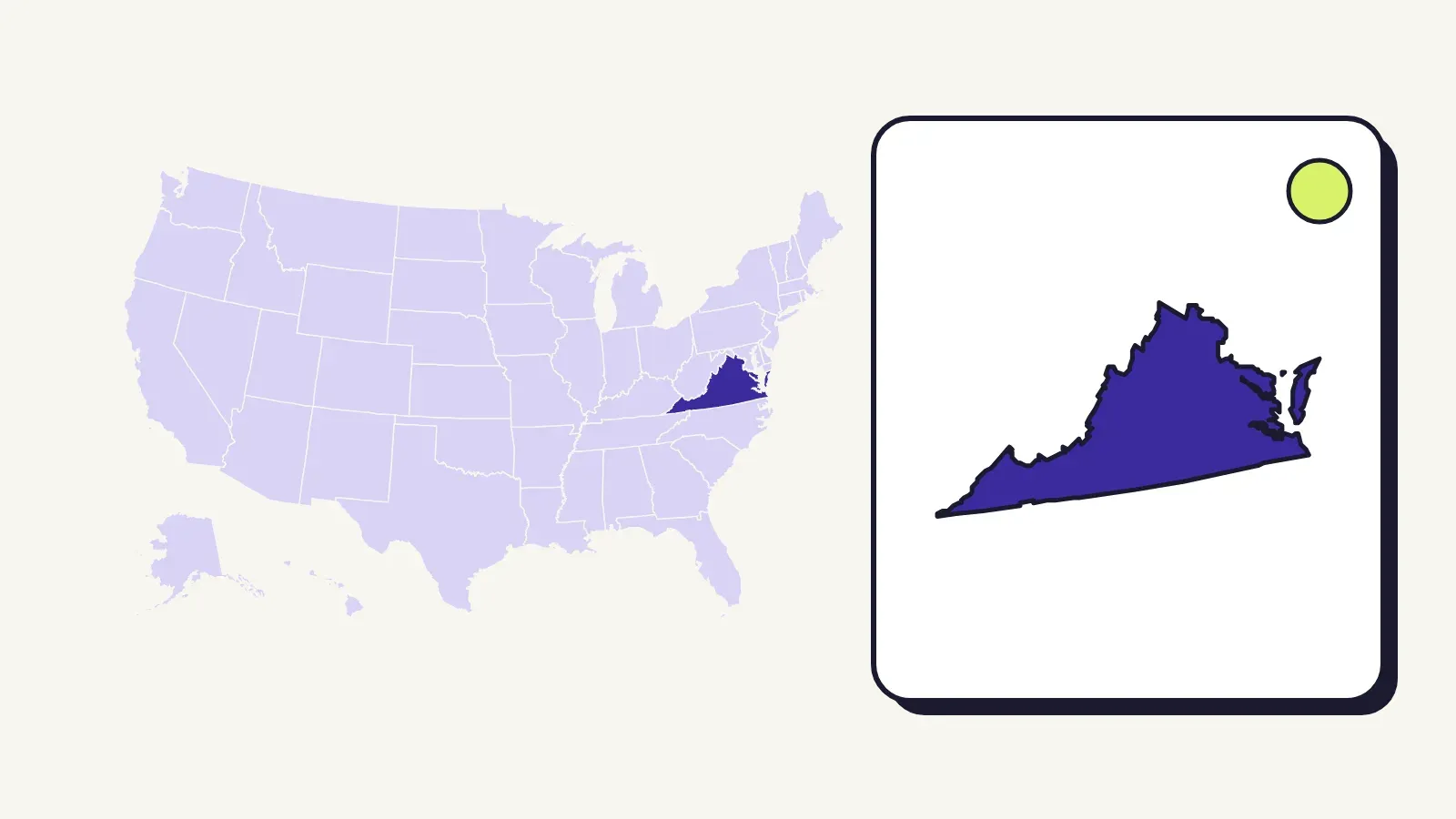
Virginia
Short-term loans up to $2,500 at 36% plus a monthly fee up to $25; title loans capped the same way.